Table of Contents
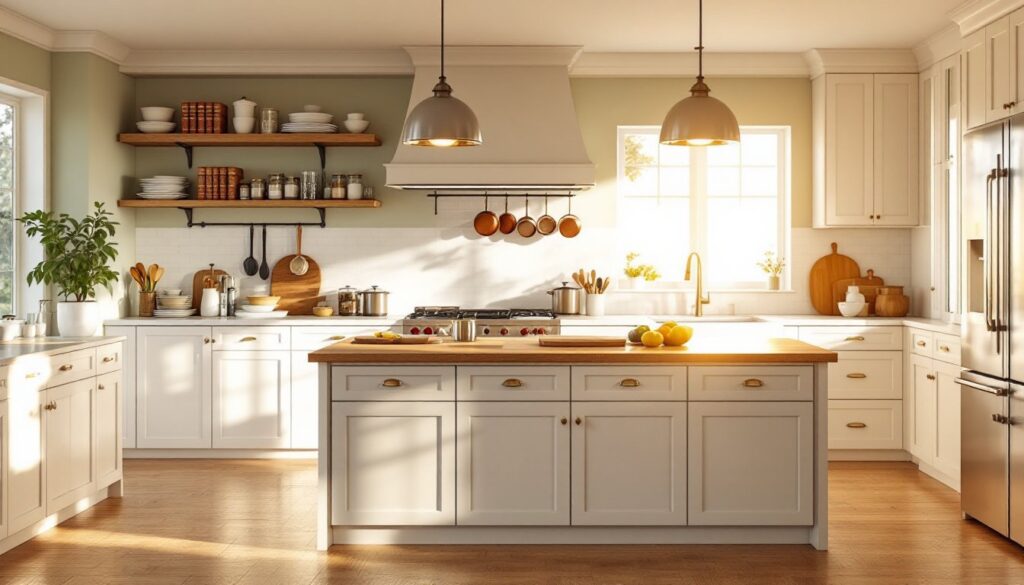
ToggleA functional kitchen island does far more than sit in the center of your space, it’s a workhorse that anchors meal prep, seating, and workflow. But a standard island without smart storage is wasted opportunity. Kitchen island storage solutions range from traditional drawers and cabinets to open shelving, hanging racks, and specialized organizers that can transform how you use that valuable real estate. Whether you’re building a new island or retrofitting an existing one, understanding your storage options helps you maximize every inch while keeping daily essentials within arm’s reach.
Key Takeaways
- Kitchen island storage solutions—from drawers and cabinets to open shelving and hanging racks—transform a functional workspace into a clutter-free, organized hub that cuts down kitchen trips and improves workflow.
- Effective kitchen island storage solves three critical problems at once: keeping frequently used items accessible, reducing countertop clutter, and creating visual organization that makes your kitchen feel intentional rather than chaotic.
- Heavy-duty full-extension drawer slides rated for at least 75-pound capacity and adjustable shelving beat cheaper alternatives, preventing frustration and lasting longer under kitchen humidity and daily wear.
- Open shelves work best for items you use weekly like cookbooks and serving pieces, while closed cabinets hide bulky appliances and everyday clutter—combining both on different island sides creates balanced, functional design.
- Planning around your actual habits—not magazine ideals—ensures smart storage placement where you actually grab items, and matching your island’s design to your kitchen’s style and budget (from $400 RTA models to custom $2,000–$8,000 builds) maximizes both function and resale value.
- Vertical solutions like hanging pot racks, magnetic knife strips, and wall-mounted organizers add functionality without consuming valuable base space, making them especially valuable in galley kitchens or tight floor plans.
Why Kitchen Island Storage Matters
Your kitchen island is prime real estate, and poor storage planning means clutter, wasted space, or worse, a surface that becomes a catch-all for mail, gadgets, and guilt. Effective island storage solves three problems at once: it keeps frequently used items accessible, it reduces countertop clutter, and it adds visual organization that makes your kitchen feel intentional rather than chaotic.
Think about your workflow. Where do you reach for knives during dinner prep? Where do you grab your coffee mugs before work? Where do your kids find snacks? An island with thoughtful storage puts these items exactly where you need them, cutting down on trips across the kitchen. Smart island storage also lets you hide the ugly stuff, bulky appliances, plastic wrap boxes, pet food containers, while displaying what looks good, whether that’s cookbooks, ceramics, or your collection of quality oils.
Beyond function, organized storage makes cleaning faster and your kitchen feel larger. Open countertops, even on a small island, create visual breathing room. And there’s the resale angle: kitchens with functional, well-designed storage tend to appraise higher and sell faster because buyers immediately see the value.
Built-In Drawers and Cabinets
For most homeowners, closed storage in the form of drawers and cabinets is the foundation of island functionality. Drawers are workhorses, they hide utensils, gadgets, linens, and small appliances while keeping them instantly accessible. Cabinets below the counter add serious bulk storage for cookware, small appliances, or pantry overflow.
When planning drawer layout, think in layers. Top drawers (4–6 inches deep) work best for utensils, gadgets, and items you grab daily. Standard 3/4-inch plywood or hardwood-faced drawers hold up well to kitchen humidity if you build them yourself or order quality cabinetry. Middle drawers (6–8 inches) suit larger items: mixing bowls, measuring cups, or cookbooks stored upright. Bottom drawers or cabinet shelves can swallow cutting boards, cake pans, and baking sheets.
Don’t skimp on hardware. Heavy-duty full-extension drawer slides cost more upfront but prevent that frustrating half-open feeling and reduce wear on cabinet sides. Look for slides rated to at least 75-pound capacity for normal kitchen use. For cabinets, adjustable shelving beats fixed shelves every time, you’ll rearrange as your needs change.
One practical tip: install a few deep, pullout drawers instead of multiple shallow ones. A single 12-inch-deep drawer with internal dividers holds far more than two 5-inch drawers and feels less cluttered. If you’re building from scratch, a 18–24-inch-wide base cabinet is standard and works well. If retrofitting an existing island, measure your space first, cramped cabinets become unusable cabinets.
Open Shelving and Display Storage
Open shelving on an island adds style, breaks up visual weight, and lets you display items you actually want to see. Unlike deep cabinets, shelves work best for things you use weekly: cookbooks, frequently rotated serving pieces, or a curated spice collection. The key is intentional curation, open shelves that look like organized hoarder caves lose their appeal fast.
When sizing shelves, 12–15 inches deep accommodates cookbooks and most dishware without forcing you to crane your neck to reach the back. Space shelves 10–12 inches apart vertically to let larger plates or bowls sit comfortably. Open shelving on an island works especially well on one or two sides while the others remain closed, this balance avoids looking sparse or cluttered.
Material choice matters. Solid wood shelves (oak, maple, or walnut) add warmth and take weight well. Butcher-block offers a lived-in look that hides minor dings. For a modern feel, metal brackets with reclaimed wood or steel shelves create industrial flair. Avoid thin particleboard unless it’s faced and well-supported, kitchen heat and humidity can warp cheap materials fast.
Specialized Storage Features
Beyond basic shelves, consider adding specialized features that multiply function. A wine rack built into an open shelf or a pull-out spice rack tucked inside a cabinet makes finding things faster. A sliding bread box on a shelf keeps loaves fresh while taking minimal space. Some islands feature an integrated cutting board that slides into a slot for vertical storage. Others include a small beverage cooler or wine fridge base for entertaining.
For families, a labeled drawer divider system keeps utensils organized and lets kids grab their own stuff. Drawer organizers are cheap, plastic or wood dividers run $15–$40, and save hours of frustration. A lazy Susan in a corner cabinet spins oils, condiments, or baking supplies into easy reach. These touches feel small but compound into serious time savings over months of use.
Hanging Storage and Vertical Solutions
Not all island storage lives below the counter. Hanging racks, hooks, and overhead solutions add function without eating into valuable base space. A sturdy hanging rail mounted to the underside of upper cabinets or an overhead beam holds hooks for dish towels, cooking utensils, or measuring cups. Overhead racks save counter space and put frequently used items at eye level.
A hanging pot rack suspended from the ceiling or from a structural beam above the island saves cabinet space while displaying cookware as decor. Make sure your ceiling structure can handle the weight, check for solid joists or appropriate mounting hardware rated for at least 50 pounds. A single 3/4-inch rod with sturdy brackets works for lighter pots: a hanging grid system lets you arrange hooks and shelves but you want.
Wall-mounted magnetic strips hold knives without drawer drawer space. Pegboards or slat walls on one side of the island create a customizable tool display. For smaller spaces, corner hooks or rail systems turn unused sides into storage real estate. This vertical thinking works especially well in galley or narrow kitchens where floor space is tight.
When hanging anything heavy, location matters. Check for hidden plumbing or electrical lines in your island, a stud finder and a close look at your island’s framing prevent costly mistakes. If your island sits far from structural support, a reinforced beam or professional installation may be needed. Always err on the side of caution with weight-bearing work, an overloaded rack crashing mid-dinner is nobody’s idea of fun.
Choosing the Right Island Storage for Your Kitchen
The best island storage matches your actual habits, not magazine-perfect ideals. Start by auditing what you actually store. Spend a week noting where you grab everyday items: utensils, knives, pot holders, cookbooks, snacks. Then build storage around those patterns.
Consider your kitchen’s style and footprint. A rustic farmhouse island works beautifully with open shelving displaying mismatched vintage dishes and cast iron. A modern minimalist kitchen suits closed cabinetry in matte finishes with sleek hardware. A small eat-in kitchen might prioritize a single deep cabinet plus open shelves to avoid cramped-feeling base storage. Large family kitchens benefit from redundant storage, multiple drawer zones mean kids can grab snacks without everyone crowding one spot.
Budget matters too. A custom-built island with dovetail drawers, premium wood, and specialized features can run $2,000–$8,000 or more, depending on size and materials. A basic ready-to-assemble (RTA) island from a big-box store might cost $400–$1,200. Mid-range options like semi-custom cabinetry hit the $1,000–$3,000 range and often beat RTA for longevity. If you’re handy with a saw and drill, building your own base cabinet from 3/4-inch plywood (roughly $40–$80 per sheet) and adding quality drawers is a smart middle ground.
Also think about your island’s secondary use. If it doubles as dining seating, clear toe-kick space (at least 10–12 inches high) so legs fit. If it’s a working kitchen station, prioritize function over decoration. If it hosts entertaining, a mix of display and closed storage keeps the surface clear while showing off your good stuff. Farm sinks for kitchens can anchor islands for serious prep work, so pair that style with durable, easy-to-clean storage materials.
For inspiration and ideas, design sites like The Kitchn and Remodelista’s curated island storage collection offer real examples of what works. Houzz’s kitchen island photo gallery lets you filter by style and see before-and-afters. Spend time in these resources to narrow your vision before buying materials or placing orders.
When you’re ready to build or retrofit, measure three times. Note your island’s exact length, width, and height, plus the distance between any structural supports (walls, utility lines, appliances). If you’re adding electrical outlets or a sink, involve a licensed electrician or plumber, these aren’t weekend DIY jobs. For significant structural changes, a quick conversation with a contractor or cabinetmaker saves headaches and ensures your storage doesn’t conflict with building codes in your jurisdiction.
Conclusion
Smart island storage doesn’t require a major renovation. Whether you’re adding drawers to an existing island, swapping out cabinets, or building from scratch, thinking through your actual workflow transforms an underused space into your kitchen’s most valuable asset. Start with your habits, choose materials that match your style and budget, and don’t skip the details, good hardware and thoughtful organization separate functional islands from cluttered catch-alls. Build it right, and your island becomes the reason you look forward to cooking at home.