Table of Contents
ToggleImagine a kitchen where style meets functionality, where washing dishes feels less like a chore and more like a leisurely day at the farm. Farm sinks, with their deep basins and charming aesthetics, are the unsung heroes of modern kitchens. They not only elevate the overall look of the space but also handle everything from giant pots to muddy vegetables with ease.
Overview of Farm Sinks for Kitchens
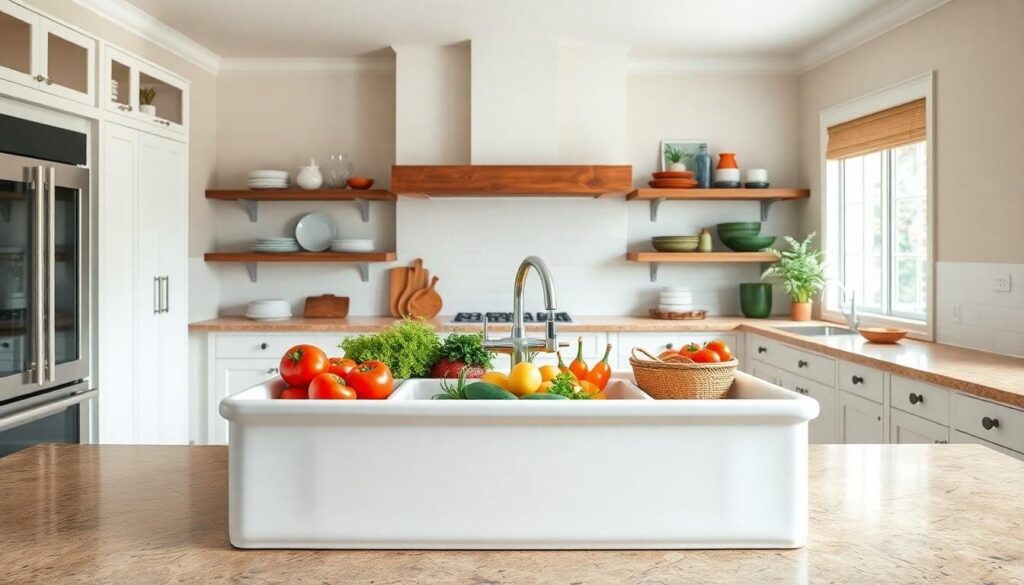
Farm sinks offer a unique blend of style and practicality in contemporary kitchens. Known for their deep basins, these sinks accommodate large pots, pans, and even bulky vegetables, ensuring ease during meal preparation. They feature a design that enhances the kitchen’s overall aesthetic, making them a focal point in the space.
Materials used for farm sinks vary widely, with options including stainless steel, fireclay, and cast iron. Each material provides distinct advantages. Stainless steel offers durability and resistance to stains while fireclay enhances a rustic feel with its striking white surface. Cast iron tends to retain heat, providing a more efficient washing experience.
Installation types vary as well, including apron front and undermount styles. Apron front sinks extend past the cabinetry, making a bold statement. Undermount sinks provide a seamless look, allowing for easier countertop cleaning.
Maintenance requirements differ based on materials. Stainless steel sinks need regular cleaning with non-abrasive cleaners to maintain their shine. Fireclay and cast iron sinks may require periodic sealing and careful handling to avoid chips and cracks.
Farm sinks appeal to various kitchen styles, from modern to farmhouse. Their versatility allows homeowners to choose designs that complement their existing decor. Customization options exist for size and shape, accommodating diverse kitchen layouts.
Benefits of Farm Sinks for Kitchens
Farm sinks enhance the function and style of kitchens, proving advantageous for various tasks. Their deep basins make them practical for handling large items.
Durability and Longevity
Farm sinks made from materials like fireclay and cast iron exhibit remarkable durability and longevity. Fireclay resists chipping and cracking, ensuring an extended lifespan. Cast iron maintains its integrity over years, provided it receives proper care. Stainless steel, while prone to scratches, offers strength and is easy to clean. Maintenance routines, such as regular inspection, can significantly prolong these sinks’ functionality. Kitchen investments benefit from farm sinks’ ability to withstand daily wear while maintaining their form.
Aesthetic Appeal
Farm sinks contribute a unique charm to kitchen designs, blending seamlessly with various aesthetics. Their classic apron front design creates a focal point, capturing attention in modern and traditional spaces. Available in diverse finishes, these sinks complement various color schemes from bright whites to bold hues. Farm sinks evoke a rustic yet sophisticated feel, enhancing overall décor. Designers appreciate how these sinks add character without overwhelming the space. Customization options further allow homeowners to choose sizes and styles that align with individual tastes.
Types of Farm Sinks for Kitchens
Farm sinks come in various types, each serving unique design and functional needs. These sinks enhance kitchen space while accommodating a range of styles and preferences.
Material Options
Stainless steel is popular for its durability and ease of cleaning. Fireclay provides a charming rustic appearance, known for its resistance to chipping. Cast iron, often coated with enamel, combines a classic look with excellent heat retention. Composite materials offer versatility and can mimic other finishes without sacrificing strength. Each material offers distinct advantages, catering to different aesthetic preferences and maintenance requirements.
Size Variations
Farm sinks are available in diverse sizes, accommodating various kitchen layouts. Standard widths typically range from 30 to 36 inches, with customized options available for those needing specific dimensions. Depth varies, often between 9 to 12 inches, allowing ample space for washing large cookware. Homeowners can select sizes that best fit their workflow and available kitchen space. Customization ensures a seamless integration with kitchen cabinetry and counters.
Installation Considerations
Farm sinks require specific installation considerations to ensure proper functionality and aesthetics. Understanding plumbing requirements and countertop compatibility plays a vital role in a successful setup.
Plumbing Requirements
Farm sinks often necessitate adjustments to existing plumbing. These sinks typically have deeper basins, which can affect drain height. Customizing the drain and supply lines ensures they align with the sink’s height. It’s also essential to consider the location of any extra fixtures, such as pot fillers or soap dispensers. Ensuring that the plumbing accommodates these features results in a more efficient kitchen workflow. It’s advisable to consult a licensed plumber for proper installation.
Countertop Compatibility
Countertop compatibility significantly impacts the installation of farm sinks. They tend to be heavier than standard sinks, which might require additional support from the countertop. Materials like granite or quartz can handle the weight well, but laminate may need extra reinforcement. The sink’s apron design must match the counter’s edge for a seamless look. Homeowners should select a countertop that complements the sink, creating a cohesive kitchen design. Proper alignment enhances both functionality and visual appeal.
Care and Maintenance
Regular care ensures farm sinks remain functional and visually appealing. Different materials require distinct maintenance routines. Stainless steel sinks need frequent cleaning with mild detergents and soft sponges to avoid scratches. Fireclay and cast iron require gentle handling, as these materials can chip or crack if impacted.
Routine inspections help identify any surface imperfections or rust spots, especially in stainless steel models. If rust appears, using a non-abrasive cleaner followed by a protective polish can restore the finish. Periodic resealing protects fireclay and cast iron sinks, extending their lifespan and maintaining their aesthetic.
Cleaning products should be carefully chosen to prevent damage. Avoid harsh chemicals that can tarnish the surface of the sink. Water stains can also occur; wiping the sink dry after use prevents these marks from forming. For tough stains, a paste of baking soda and water can offer an effective solution.
Drain maintenance contributes to overall sink hygiene. Clearing debris from the strainer helps prevent clogs and ensures efficient water flow. Installing a strainer can capture food particles, reducing the buildup of grime.
Different sink styles may require additional considerations. Apron front designs might need more frequent checks to ensure the surrounding cabinetry remains intact. Customizations like integrated cutting boards may also require separate care instructions.
Ultimately, proper maintenance elevates both the functionality and longevity of farm sinks. Following these care guidelines contributes to a pristine kitchen environment, enhancing the sink’s role as both a practical and decorative element.
Farm sinks are a remarkable choice for any kitchen. They blend style and functionality seamlessly while providing ample space for various kitchen tasks. With diverse materials and designs available homeowners can find the perfect sink that complements their kitchen aesthetic.
The durability of materials like fireclay and cast iron ensures that these sinks withstand the test of time. Regular maintenance helps preserve their beauty and functionality making them a long-lasting investment. Whether opting for a modern or farmhouse style a farm sink can serve as a stunning focal point that enhances the overall kitchen experience.
Choosing the right farm sink involves considering size shape and installation requirements. By doing so homeowners can enjoy a practical yet elegant addition to their kitchen that reflects their personal taste and lifestyle.