Table of Contents
ToggleUnder bed storage boxes are one of the simplest and most effective ways to reclaim square footage in any bedroom. Whether you’re dealing with a cramped apartment, a growing family needing seasonal storage, or just tired of clutter, the space beneath your bed is prime real estate that sits unused in most homes. These containers solve real problems: they keep clothes, bedding, and accessories organized without eating into wall space or requiring expensive built-ins. If you’re looking to maximize storage without renovation headaches, understanding your options and how to set them up properly makes all the difference between a solution that works for years and one that collects dust and mildew.
Key Takeaways
- Under bed storage boxes maximize unused bedroom space by converting the area beneath your mattress into functional storage for seasonal items, clothing, and accessories without requiring renovation or floor space.
- Choose plastic containers for damp climates or heavy items, and opt for fabric containers for lighter, dry storage—fabric looks more refined but requires ventilation to prevent moisture and mildew buildup.
- Always measure your bed frame’s clearance height, width, and depth before purchasing; most queen beds fit two 30″×20″ boxes or one 60″×20″ box, and clearance typically ranges from 8–12 inches.
- Label every storage box with specific contents (‘Winter coats, XL, 2024–2025’) and maintain a digital or written inventory to prevent forgotten items, duplicate purchases, and unorganized storage.
- Ensure proper ventilation by adding breathable boxes or drilling small holes in plastic lids, and include odor absorbers like charcoal or baking soda packets changed quarterly to prevent mildew and dust accumulation.
- Never stack boxes or exceed 30–40 pounds per container to protect your bed frame from sagging and maintain easy access; rolling boxes work best for frequently rotated items, while fixed boxes maximize height for long-term storage.
Why Under Bed Storage Is a Game-Changer for Small Spaces
The bedroom is often the largest single room in a home, yet much of its usable space goes untapped. Under bed storage boxes tap into that forgotten zone between your mattress and the floor. For renters, it’s a no-drill solution. For homeowners, it’s an alternative to closet renovations or adding dressers that consume valuable floor area.
Small spaces benefit most. In a 150-square-foot bedroom, a storage bed setup can free up a full closet’s worth of storage capacity without adding furniture. Even in larger rooms, under bed containers keep off-season items (winter coats, holiday decorations, extra blankets) accessible but out of sight. They also work well for rotating kid’s toys, sports equipment, or craft supplies.
The psychological benefit matters too. Visible clutter raises stress, and hiding excess items under the bed creates a calm, organized-looking bedroom even when storage is at a premium. You’re not eliminating possessions: you’re storing them smartly. This aligns with what many people find when organizing their homes, seeing organized spaces actually makes you use the room differently.
Types of Under Bed Storage Boxes and Which One Fits Your Needs
Not all under bed storage is created equal. Your choice depends on what you’re storing, how often you need to access it, and your floor clearance.
Plastic vs. Fabric Containers: Pros and Cons
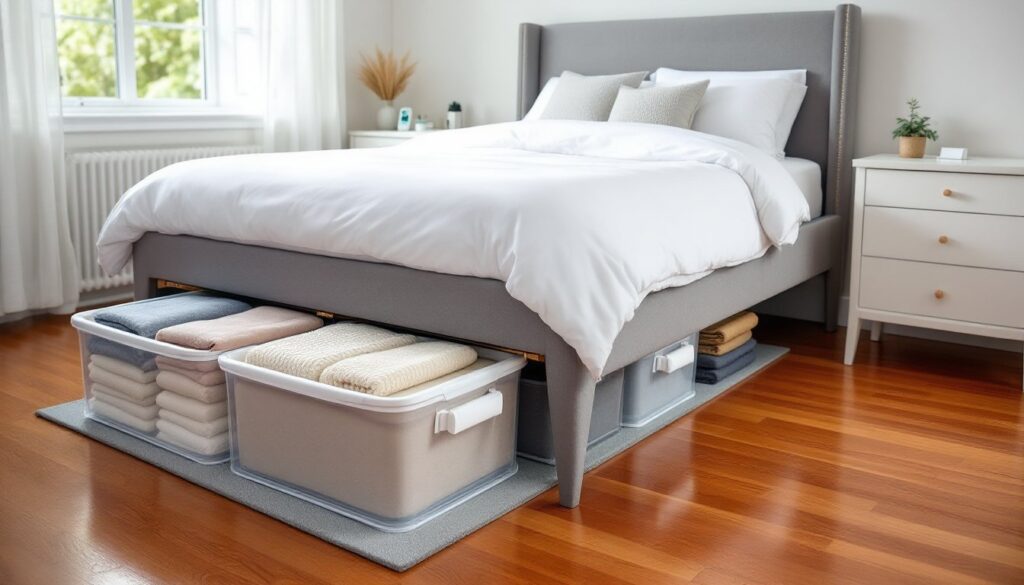
Plastic storage boxes are durable and moisture-resistant, making them ideal for basements, garages, or damp climates. Standard sizes like 30″ × 20″ × 12″ fit most bed frames. Clear plastic lets you see contents without opening them, a huge time-saver. But, plastic can crack under heavy loads and slides more easily on hardwood floors, requiring a rug pad or felt feet to prevent scratching.
Fabric containers (usually polyester or canvas) are lighter and quieter to move around. They look more refined than plastic and fold flat for storage when empty. The downside: fabric absorbs moisture and dust, so they need regular ventilation. Damp bedrooms increase mildew risk. If storing anything moisture-sensitive, photos, documents, leather, fabric is risky unless you add silica gel packets.
Choose plastic for moisture-prone areas or heavy items: choose fabric for light, dry items like linens or off-season clothing that needs gentle handling.
Rolling Boxes and Fixed Storage Solutions
Rolling under bed storage boxes have wheels, making access easier without dragging. This matters if you’re storing items you rotate or access monthly. The trade-off is height, wheeled boxes typically sit 6–8 inches tall, leaving limited clearance on very low frames. Ensure your bed frame has at least 10 inches of clearance for smooth rolling.
Fixed (non-rolling) boxes sit flush and maximize height capacity. Most under bed clearance is 8–12 inches on platform beds and can reach 14+ inches on higher frames. Fixed boxes work best if you’re storing long-term items you rarely need. They also don’t shift around when you move the bed or during cleaning.
How to Choose the Right Dimensions and Weight Capacity
Measure your bed frame’s clearance before buying anything. Use a tape measure from the floor to the underside of your mattress or bed frame, accounting for any box spring or platform. Standard bed frames offer 8–12 inches: adjustable beds and platform beds vary widely. A 6-inch clearance limits you to shallow boxes: 12 inches gives flexibility.
Next, measure the width and depth of your bed frame. Most queen beds accommodate two boxes at 30″ × 20″ or one box at 60″ × 20″ (front to back). Full-size beds are tighter, usually 54″ wide × 75″ deep. Measure lengthwise down the center and from head to foot. Account for the frame rails: boxes typically sit 1–2 inches inboard of the frame edge.
Weight capacity matters, especially for plastic boxes. Stacking boxes is tempting, but don’t. A single bed frame distributes 500–800 pounds (assuming two adults plus mattress). Plastic storage boxes rated for 25–50 pounds each should not be overloaded. Fill them with actual necessities, not “just in case” items. Heavy boxes also make sliding and access harder. Aim for 30–40 pounds per box maximum: distribute weight evenly across the bed to avoid sagging springs or frame stress.
Fabric containers typically hold 20–35 pounds safely. Document your measurements and capacity on a sticky note, you’ll forget next year when reorganizing.
Organizing and Maintaining Your Under Bed Storage
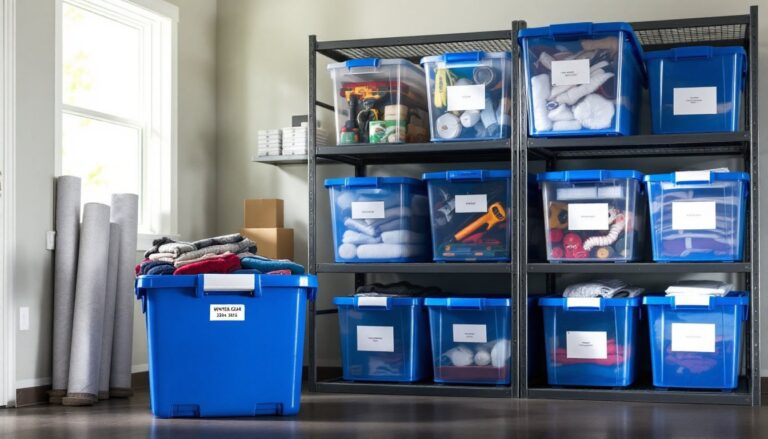
Organization under the bed succeeds or fails at the label stage. Buy a label maker or masking tape, and write what’s inside each box before you slide it under. “Winter clothes” is vague: “Winter coats, XL, 2024–2025” is actionable. This takes five minutes and saves hours of digging.
Rotation schedules prevent forgotten storage. If you’re storing seasonal items, move them out when the season changes. Jackets stored in summer dust and lose fluffiness. A simple calendar reminder, “Check under bed storage, Q1”, keeps things fresh. For year-round items like extra bedding, rotate every six months to prevent odors and dust mites.
Ventilation is non-negotiable. Humid bedrooms breed mildew, especially under beds where air doesn’t circulate. Use breathable storage boxes when possible, or drill small holes in plastic box lids (5-6 holes per lid, 1-inch diameter). Add odor absorbers, activated charcoal, cedar blocks (natural but can stain light fabrics), or baking soda packets changed quarterly. Avoid mothballs in sealed plastic boxes: the smell lingers for years.
Slip some felt furniture pads under plastic box bottoms to protect hardwood floors and allow easier sliding. Every few months, pull boxes out, wipe down the underside of the bed frame (dust collects there), and check for moisture or pests. A quick vacuum underneath keeps allergens down, especially important in bedrooms.
One pro tip: if you use proper home organization strategies, you’ll find that keeping an inventory list, digital or written, prevents buying duplicate items. Under bed storage tempts you to forget what’s stored, leading to redundant purchases. A simple spreadsheet listing box contents takes two minutes per box and pays dividends.
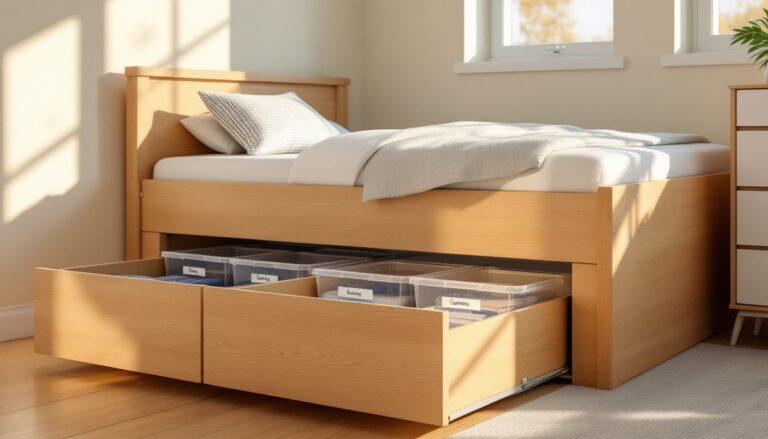
For those interested in furniture that integrates storage natively, options like a Metropolitan Home Storage Bed transform your space by combining the bed frame and storage in one unit, though standard under bed boxes offer more flexibility and rent-friendly appeal. If you’re comfortable with woodworking projects, building custom-fitted boxes is another route, beginner woodworking projects often include storage builds that maximize your specific bed frame dimensions.
Conclusion
Under bed storage boxes aren’t a luxury: they’re a practical fix for anyone running short on space. Pick the right type for your climate and needs (plastic for damp conditions, fabric for elegance and light loads), measure twice before buying, and organize with labels and rotation schedules. The difference between storage that works for five years and storage that becomes a graveyard of forgotten items is maintenance and honesty about weight capacity. Start small, measure carefully, and adjust as your life changes.