Table of Contents
ToggleIn a world where water is as precious as gold, home water storage isn’t just a good idea—it’s a necessity. Picture this: a surprise drought hits, and suddenly, your morning shower turns into a desperate dance around a leaky faucet. Not exactly the spa experience you had in mind, right? With a little foresight and the right storage solutions, he can ensure that his household stays hydrated, no matter what Mother Nature throws their way.
Home water storage isn’t just about survival; it’s about peace of mind. Whether it’s a simple rain barrel or a sophisticated tank system, having a stash of water can make all the difference. So why wait for the next big storm to hit? Dive into the world of home water storage and discover how easy it is to keep the good times flowing, even when the taps run dry.
Overview of Home Water Storage
Home water storage plays a crucial role in ensuring access to clean water during unexpected shortages. It addresses the immediate need for hydration when traditional water sources fail. Various storage solutions exist, allowing households to choose options that best fit their needs.
Rain barrels capture and store rainwater, offering an eco-friendly method for collecting water. These barrels connect to downspouts, filling as rainwater falls. Alternatively, larger tanks provide significant storage capacities, suitable for households with higher water demands.
Water storage systems can include above-ground and below-ground tanks. Above-ground tanks are easier to install and maintain, while below-ground systems offer protection from extreme temperatures. Choosing the right location for installation enhances efficiency and accessibility.
Regular maintenance is essential. Cleaning tanks and ensuring fittings remain secure helps prevent contamination. Regular checks on seals and connections help maintain optimal performance.
Homeowners should consider local regulations regarding water collection and storage. Some regions impose restrictions on rainwater harvesting, influencing storage choices. Compliance ensures that storage solutions remain legal and functional.
In emergency situations, having a reliable backup supply of water reduces stress and enhances preparedness. Planning ahead for these scenarios mitigates risks associated with water shortages. Investing in home water storage can offer peace of mind and security for families during uncertain times.
Types of Home Water Storage Systems
Home water storage systems vary widely, catering to different needs and preferences. These systems can enhance water preparedness and ensure access to a consistent water supply.
Above-Ground Storage Tanks
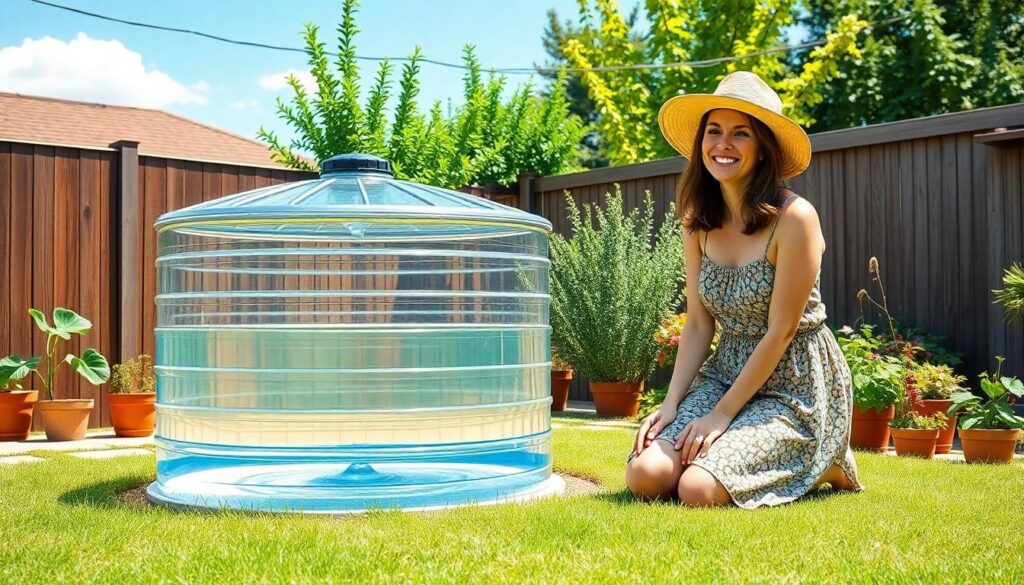
Available in various sizes, above-ground storage tanks offer flexibility for homeowners. They are often easier to install, requiring less excavation and minimal site preparation. Made from durable materials, these tanks withstand different weather conditions. Many options feature a transparent section, allowing easy monitoring of water levels. Users can connect these tanks to rainwater collection systems for eco-friendly practices. Maintenance is usually straightforward, simplifying cleaning and repairs. Families benefit from the accessibility of these tanks, making replenishing and utilizing stored water convenient.
Underground Storage Solutions
Underground storage solutions provide a discreet option for water containment. Typically installed below the frost line, these systems protect water from temperature fluctuations. Durability is a hallmark of many underground tanks, often made from reinforced polyethylene or concrete. Installation may require professional assistance due to the excavation involved. These options often maximize yard space since they remain hidden from view. An underground design minimizes evaporation, preserving water quality over time. Regular checks are critical to ensuring proper functionality and compliance with local regulations.
Factors to Consider When Choosing a System
Selecting the right home water storage system requires careful consideration of several factors that can impact its efficiency and reliability.
Capacity Requirements
Capacity directly influences how much water a system can hold. Assess daily water usage to determine needed storage. Families with higher consumption benefit from larger tanks. For example, households of four may require 100 to 200 gallons of storage. It’s crucial to account for emergency situations, as a week’s supply for one person typically ranges from 7 to 14 gallons. Matching the system’s capacity to specific needs enables homeowners to stay prepared during shortages. Evaluating local climate patterns also helps in deciding adequate capacity, especially in regions prone to drought.
Material Durability
Durability plays a vital role in the longevity of a water storage system. Common materials include polyethylene, fiberglass, and concrete. Polyethylene tanks resist corrosion and UV exposure, making them a popular choice for residential use. Fiberglass provides strength and lightweight benefits, while concrete offers durability against impacts and extreme temperatures. Homeowners should also consider insulation to prevent freezing and temperature fluctuations. Prioritizing quality materials prevents costly repairs and ensures safe water storage over time. Whichever material is chosen, understanding its strengths and limitations fosters informed decision-making for reliable water supply.
Installation and Maintenance
Proper installation and regular maintenance ensure optimal performance of home water storage systems. Understanding these processes can enhance longevity and usability.
DIY Installation Tips
Choosing the right location for a water storage tank is crucial. Positioning it close to the rainwater collection source simplifies piping. Ensuring a flat, stable base supports the weight of the tank when full. Understanding local codes regarding water collection prevents potential fines. Connecting the tank to gutters maximizes water capture during rain events. Utilizing high-quality materials for fittings and connections is essential to avoid leaks. Installing overflow measures protects surrounding areas from flooding. Completing the setup with secure access points allows for easy monitoring and maintenance.
Regular Maintenance Practices
Inspecting the system regularly helps catch potential issues early. Cleaning the tank every six months removes sediment buildup and contaminants. Checking connections and fittings prevents leaks and ensures efficient operation. Monitoring water levels and clarity is vital; cloudy water signals the need for further investigation. Ensuring the inlet screen or filter is free of debris protects water quality. Testing the water periodically guarantees it remains safe for drinking. Reviewing local regulations ensures continued compliance and may influence maintenance practices. Keeping documentation of maintenance tasks provides useful records for future reference.
Benefits of Home Water Storage
Home water storage offers numerous advantages that enhance a household’s resilience against water shortages. First, it provides immediate access to clean water during emergencies. When public water supplies fail, stored water ensures hydration and sustenance for families.
Affordable solutions exist. Collecting rainwater in barrels or installing above-ground tanks offers budget-friendly ways to maintain a reliable supply. These systems can capture essential rainwater, which is especially beneficial during dry spells.
Flexibility in installation is another significant benefit. Above-ground tanks are simple to install, making them accessible for many homeowners. In contrast, underground systems, while requiring professional setup, provide efficient temperature regulation and reduced evaporation.
Regular maintenance is integral, keeping the stored water safe for consumption. Homeowners can enhance water quality by routinely inspecting tanks and cleaning systems, preventing contamination. Following recommended maintenance practices ensures the durability of the storage solutions.
In addition, home water storage encourages sustainable water management. Using rainwater for irrigation conserves treasured resources, reducing dependence on municipal sources. By embracing efficient water use, families contribute positively to environmental sustainability.
Investing in a water storage system promotes peace of mind. Proactive preparation against water scarcity eliminates stress during unforeseen events. Families gain confidence, knowing they have a backup plan in place.
The variety of storage options caters to diverse household needs. Sizes and materials differ, allowing homeowners to choose what fits their lifestyle best. Selecting durable materials, such as polyethylene or fiberglass, guarantees longevity and reliability for the chosen system.
Home water storage is an essential investment for any household. By preparing in advance, families can ensure access to clean water during unexpected shortages. With various options available, from rain barrels to larger tanks, homeowners can choose a solution that fits their needs and lifestyle.
Regular maintenance and proper installation are key to maximizing the effectiveness of these systems. By prioritizing quality and compliance with local regulations, individuals can secure a reliable water supply. Ultimately, taking proactive steps toward home water storage not only enhances preparedness but also provides peace of mind in an unpredictable world.