Table of Contents
ToggleIf you’ve ever crammed seasonal decorations into flimsy plastic bins only to find them cracked and crumbling a few months later, you know the frustration of cheap storage. Hefty storage bins aren’t just about stacking stuff out of sight, they’re about investing in durability and reclaiming your basement, garage, and attic without the worry of your belongings getting damaged or your bins collapsing. Whether you’re prepping for a garage renovation, winterizing gear, or simply tired of clutter spreading across your living spaces, understanding what makes a storage bin truly hefty will save you money, time, and headaches down the road. This guide walks you through the materials, uses, and selection process so you can store with confidence in 2026.
Key Takeaways
- Hefty storage bins are engineered with thicker plastic walls (3–5 mm), reinforced bases, and load-bearing ratings of 50–150 pounds to prevent cracking and warping under stress.
- Polypropylene (PP) and High-Density Polyethylene (HDPE) are the top materials for hefty bins, offering impact resistance, moisture protection, and durability across basements, attics, and garages.
- Always measure your storage space, estimate load weight, and match the bin material to your environment—attics need temperature resistance while basements require moisture-resistant options.
- Secure latches, hinged lids with air vents, and reinforced handles are hallmarks of quality hefty storage bins that maintain functionality and integrity for years.
- Label bins clearly with printed labels or photos and maintain a digital inventory to quickly locate items without opening multiple containers.
- Never exceed the manufacturer’s weight capacity or stack bins more than three to four high without proper shelving, as this compromises structural integrity and creates tipping hazards.
What Makes Storage Bins Truly ‘Hefty’
A hefty storage bin isn’t just a big plastic tub, it’s one engineered to hold real weight without cracking, warping, or falling apart under stress. The key difference lies in wall thickness, base reinforcement, and the polymer quality used in manufacturing.
Proper hefty bins feature thicker plastic walls (typically 3–5 mm) compared to standard bins (1–2 mm). This extra material absorbs impacts, resists UV degradation, and prevents the creeping deformation that happens when bins sit under load for months or years. The base matters equally: reinforced bottoms with ribs or a reinforced frame keep the bin from sagging when you stack heavy items or place it on uneven floors.
Look for bins with load-bearing ratings, manufacturers should specify a maximum weight capacity. A genuinely hefty bin typically handles 50–150 pounds depending on size. Handles matter too: reinforced handles with proper attachment points won’t snap off mid-move, and they should be wide enough to grip comfortably when the bin is loaded.
Hinged lids with secure latches are another hallmark of quality. Cheap bins develop loose lids that slip or crack: hefty bins use latches that stay functional after years of opening and closing. Air vents prevent vacuum sealing when lids close, which reduces stress on the plastic and improves long-term durability.
Top Materials for Maximum Durability
Storage bin material directly affects longevity and performance in different environments.
Polypropylene (PP) is the gold standard for hefty storage bins. It’s lightweight, impact-resistant, resists moisture and mildew, and handles temperature swings without becoming brittle or warping. PP bins work in attics, basements, and garages. They won’t degrade as quickly as polyethylene when exposed to sunlight, though UV-blocking additives (darker colors or opaque finishes) extend outdoor or bright storage lifespan significantly.
High-Density Polyethylene (HDPE) is another durable option, slightly more rigid than PP. HDPE excels in cold environments and outdoor storage because it maintains flexibility without becoming brittle in winter. It’s tougher than standard polyethylene but can be heavier, which matters if you’re stacking bins or moving them frequently.
Reinforced plastic composites (often labeled as “industrial-grade” or “professional-duty”) blend polypropylene with additives or fiberglass for extra strength. These command a higher price but deliver exceptional durability for heavy loads or long-term storage in demanding conditions.
Avoid thin, brittle polyethylene, it’s cheaper upfront but cracks easily, becomes cloudy and brittle in cold or UV exposure, and fails faster than polypropylene. Metal bins are rarer for residential storage but offer fireproofing and extreme durability if your primary concern is protection from heat or rodents. The trade-off is weight and cost: they’re usually overkill for most homeowners.
Best Uses for Large Storage Bins Around Your Home
Basement and Attic Organization
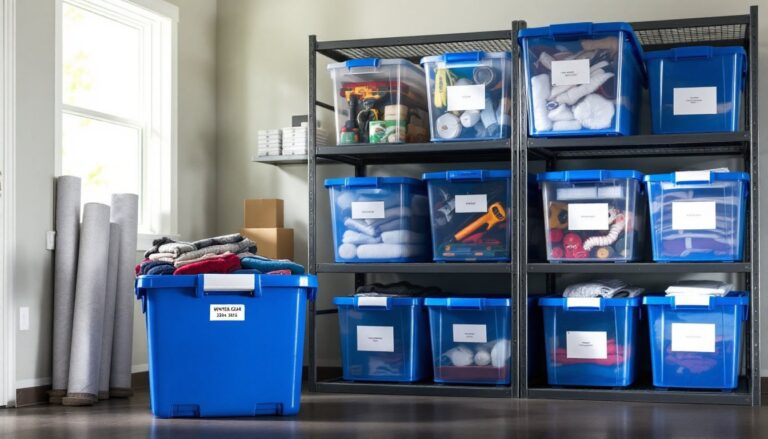
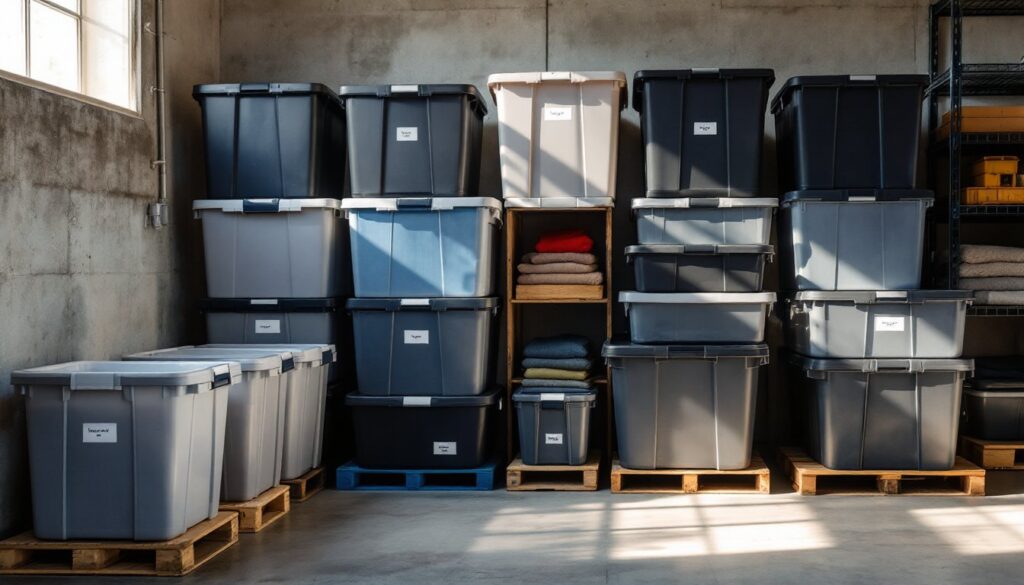
Basements and attics are prime real estate for large storage bins because they’re climate-controlled (mostly) and out of daily sight. Hefty bins keep moisture, dust, and pests away from seasonal décor, holiday lights, winter clothing, and archived documents. Stack bins vertically along walls to maximize floor space, but respect the structural integrity, don’t exceed the weight rating or stack more than three or four bins high without proper shelving.
Label every bin clearly with a marker or printed label maker. Over time, you’ll forget what’s in that opaque plastic container from three years ago. Consider photographing contents and keeping a digital inventory: it sounds obsessive, but you’ll thank yourself when searching for specific items. Basement storage demands moisture resistance, confirm your bins have proper drainage holes or venting, and store them slightly elevated on pallets or shelving rather than directly on concrete floors, which can wick moisture. The Storage Home Depot: Discover guide covers commercial-grade options that work well for below-grade storage.
Garage and Workshop Storage
Garages endure temperature extremes and humidity swings, so material choice matters. Polypropylene bins handle garage conditions well. Use hefty bins to corral hand tools, fasteners, seasonal lawn equipment, and automotive supplies away from your main workspace. Heavy-duty bins with dividers or compartments keep small items organized and easy to locate without dumping the entire contents.
If you’re storing hazardous items, paint, solvents, batteries, follow local storage codes and keep bins in a designated area away from ignition sources. Label hazardous bins clearly and store them on lower shelves to prevent accidental tipping or reaching over children’s heads. Workshop bins should be accessible: don’t stack them so high that you need a step stool every time you need something. Many homeowners use wall-mounted shelving combined with bins for better visibility and easier access. Home Depot Storage solutions often include modular shelving paired with bins for customizable workspace organization.
How to Choose the Right Hefty Bin for Your Space
Selecting the correct bin involves measuring your space, estimating load, and matching material to environment.
Measure first. Identify where bins will go, shelves, floor space, or stacking arrangement, and measure height, width, and depth available. A bin that’s perfectly sized for your space maximizes square footage and prevents tipping or awkward stacking.
Estimate load weight. What will you store? Books, tools, and holiday décor are heavy: linens and seasonal clothing weigh less. Add up approximate weight and compare it to the bin’s rated capacity. Never exceed the manufacturer’s limit: it compromises structural integrity and creates a tipping hazard. According to Good Housekeeping, tested storage solutions should be verified for capacity ratings and durability claims before purchase.
Match material to environment. Attics with temperature swings call for PP or HDPE. Unheated garages or outdoor storage (under eaves) need UV-resistant options or opaque dark bins. Basements prone to humidity benefit from bins with ventilation and moisture-resistant walls.
Check lid and latch quality. Open and close the lid multiple times in the store if possible. Latches should feel snug and smooth. Hinged lids should open fully without forcing. Inspect corners and seams for gaps, sharp edges, or uneven molding, signs of poor manufacturing.
Size matters for stackability. Uniform bin dimensions stack neatly and make stacking configurations predictable. Mismatched sizes waste vertical space and create unstable stacks. Standard sizes (20–gallon, 40–gallon, 55–gallon) stack efficiently and are easier to replace if one fails.
Consider accessibility. If you’ll access bins multiple times per season, keep them at waist height or lower. Overhead bins should contain items you rarely retrieve. Resources like The Spruce emphasize that organization systems work best when you actually use them, awkward access leads to abandonment.
Conclusion
Hefty storage bins are a straightforward investment in organization and peace of mind. By choosing durable polypropylene or HDPE bins with reinforced bases, secure latches, and appropriate load ratings, you’ll store seasonal gear, tools, and keepsakes without worry for years. Measure your space, match the bin to its environment, and label everything, the difference between a clutter crisis and a well-organized home often comes down to choosing the right container and actually knowing what’s inside it.