Table of Contents
ToggleHeavy duty stackable storage bins have become essential tools for homeowners tackling clutter in garages, basements, closets, and attics. Unlike flimsy plastic containers that crack under weight, these robust organizers are engineered to handle significant loads while maximizing vertical space, a must when square footage is limited. Whether you’re storing seasonal decorations, tools, off-season clothing, or craft supplies, choosing the right bins and arranging them strategically transforms chaos into an organized, accessible system. This guide walks you through selection, placement, and optimization strategies to make the most of your storage investment.
Key Takeaways
- Heavy duty stackable storage bins protect contents from dust and pests while maximizing vertical space, allowing you to stack 4–6 bins high without collapse or shifting.
- Choose bins made from HDPE or polypropylene with stated weight capacity ratings and reinforced handles to ensure durability and safe stacking across garages, basements, and closets.
- Label all bins clearly and inventory items before purchasing to avoid clutter and ensure you can locate what you need without unpacking everything.
- Place heavy duty stackable storage bins strategically by storing frequently accessed items at waist to eye level and using lower shelves carefully to prevent strain and toppling.
- Invest in sturdy shelving rated for 300+ lbs per shelf and maintain small gaps between stacks for airflow, especially in moisture-prone areas like basements.
Why Heavy Duty Stackable Bins Are a Game-Changer for Home Organization
Heavy duty stackable storage bins solve a problem most homeowners face: limited storage with a growing inventory of belongings. Unlike open shelving or cardboard boxes that degrade over time, stackable bins protect contents from dust, moisture, and pests while keeping items off the floor and organized vertically.
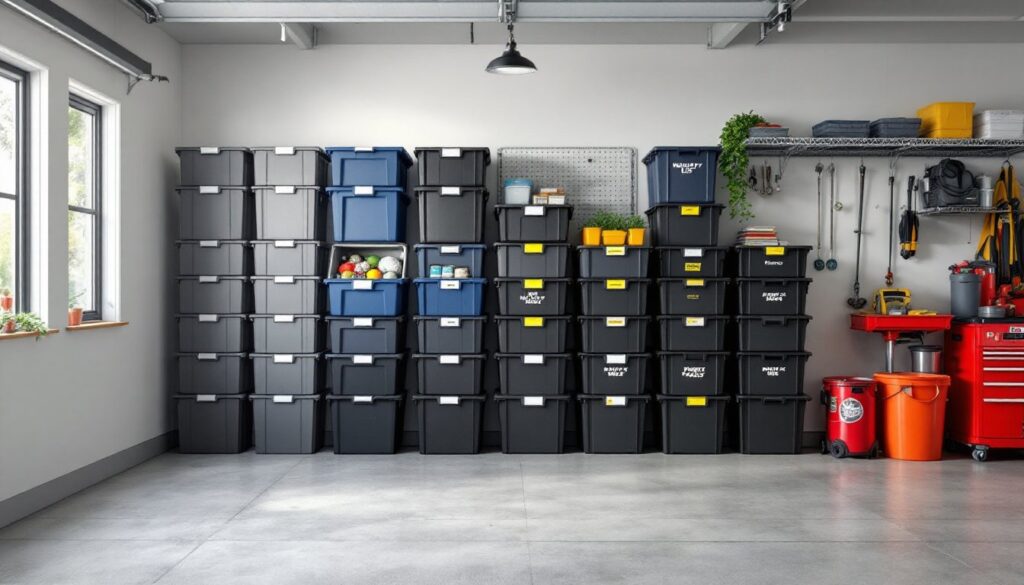
The key advantage is space efficiency. When bins interlock or nest securely, you can stack them 4, 5, or even 6 bins high without worrying about collapse or shifting. This transforms a cluttered floor into organized columns that fit neatly in closets, under eaves, or along garage walls. Accessibility matters too, labeling and transparency (if the bins are semi-translucent) mean you’ll actually find what you stored without unpacking everything.
Finally, these bins reduce decision fatigue. Once items have a designated home, maintaining organization becomes automatic. No more dumping things in random corners because you couldn’t find the right container.
Key Features to Look for When Choosing Storage Bins
Material Durability and Weight Capacity
Material choice determines how long your bins last and what you can safely store inside. High-density polyethylene (HDPE) and polypropylene (PP) are industry standards for heavy duty containers. Both resist cracking, don’t degrade under UV exposure (important for garage or shed storage), and handle temperature swings without becoming brittle.
Always check the stated weight capacity, this includes both the bin itself and what’s stacked on top of it. A bin rated for 50 lbs per unit can typically handle 200 lbs total if you stack four safely. Don’t assume: a flimsy-looking bin might have reinforced ribs you can’t see. Read product specs carefully, especially if storing dense items like tools, books, or seasonal decorations.
Handle design matters more than it seems. Molded or snap-on handles prevent hand strain when pulling bins down from high shelves, and reinforced grips don’t crack under repeated use. Opt for bins with handles on at least two sides for easier maneuverability.
Stackability and Space Efficiency
True stackability means bins have interlocking edges, reinforced corners, or a lipped rim that prevents shifting. Some bins are designed to nest (stack inside one another when empty, saving space), while others stack directly on top, choose based on your storage location and retrieval frequency.
Dimensions matter for fit. Standard heavy duty bins come in sizes from small (12″ × 10″ × 8″) to large (28″ × 18″ × 14″). Measure your storage space before buying. A bin that’s 2 inches too wide won’t fit in that closet shelf, no matter how perfect it is otherwise.
Transparency is optional but valuable. Semi-clear bins let you see contents without opening lids, reducing the hunt for items and encouraging proper labeling. Opaque bins hide clutter visually and suit basement or garage storage where aesthetics matter less.
Best Spaces to Use Heavy Duty Stackable Storage Bins
Garages and workshops are prime real estate for stackable bins. Store nails, screws, fasteners, and small tools in labeled bins along the wall or under workbenches. This approach keeps items accessible and off the floor where they pose tripping hazards. A storage baskets guide covers several stackable options that fit workshop needs.
Basements often struggle with moisture, so choose bins with tight-sealing lids if you’re storing items prone to mildew, important for seasonal clothing or paperwork. Stack bins on plastic shelving or wooden pallets, never directly on concrete floors, which can wick moisture upward.
Closets benefit tremendously from vertical stacking. High shelving in bedroom or hallway closets holds off-season clothing bins, keeping seasonal items out of the main wardrobe rotation. Clear or semi-translucent bins here speed up seasonal swaps.
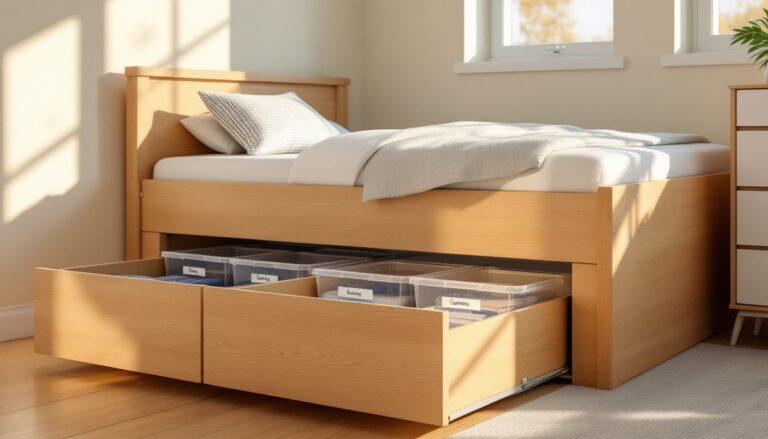
Attics and under-stairs spaces are awkward but usable. Stack shorter bins in low-ceiling attics, and use slim, stackable containers for under-stair voids where tall bins won’t fit.
Kitchens and pantries can use smaller, food-safe stackable containers for bulk items, baking supplies, or snacks. Ensure lids seal properly to keep pests out.
How to Organize and Maximize Your Storage Bins
Start with an inventory. Before buying bins, list what you’re storing and group similar items: seasonal decor, off-season clothes, tools, sports equipment, craft supplies. This prevents the all-too-common mistake of buying random bins, then struggling to find a logical place for everything.
Label everything clearly. Use a label maker or waterproof tape and marker. Include item type and location if you have multiple storage areas (e.g., “Christmas lights – Garage Shelf 2”). Resist the urge to leave unlabeled bins “for now”, “now” becomes permanent, and you’ll forget what’s inside.
Distribute weight evenly. Don’t stack all your heavy bins on top of lightweight ones. Alternate heavy and light, or place heavy bins on lower shelves. This prevents toppling and ensures the supporting structure bears weight safely.
Use vertical space aggressively. Stack bins up to eye level or higher if you don’t need frequent access. Reserve lower shelves for items you retrieve regularly, you’ll thank yourself for avoiding climbs and reaches. Apartment Therapy has small space living ideas that apply here, especially in apartments or tight quarters.
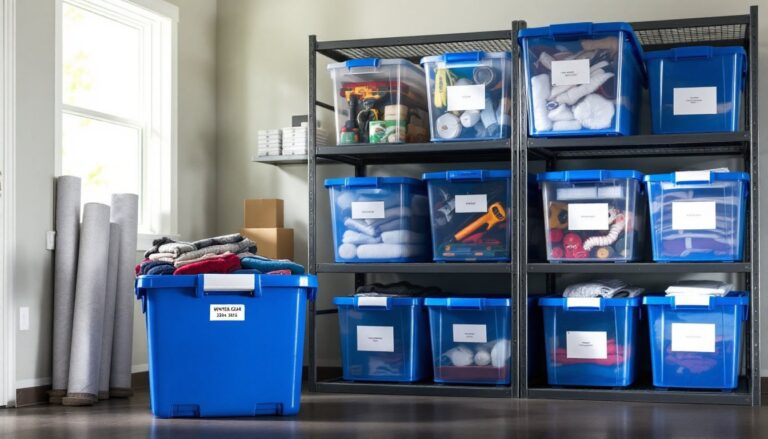
Invest in sturdy shelving. Wire, metal, or wooden shelving rated for 300+ lbs per shelf supports multiple stacked bins safely. Don’t rely on flimsy plastic shelving units: they flex under load and can collapse. If storing in a garage or workshop, wall-mounted shelving or heavy duty racks are better options than freestanding units.
Plan for accessibility. Store frequently used bins at waist to eye level. Reserve high and low shelves for seasonal or rarely accessed items. Leave a small gap between stacks for airflow, especially in basements, this prevents moisture buildup and odors.
Take before-and-after photos. This might sound odd, but documenting your organized space motivates you to maintain it. It’s also helpful if family members move or remove bins, they can reference the system.
Conclusion
Heavy duty stackable storage bins are a practical investment that pays dividends in reclaimed space and peace of mind. Choosing the right material, capacity, and size for your needs, then placing them strategically with clear labeling, transforms disorganized storage areas into systems you’ll actually use. Start with one room or zone, get it working, then expand. Martha Stewart’s organization and home guides offer additional inspiration if you’re tackling a whole-home project. With a bit of upfront planning, your storage will stay organized for years.