Table of Contents
ToggleFrench modern interior design isn’t just a style; it’s a lifestyle. Imagine sipping espresso in a chic Parisian loft, surrounded by sleek lines, bold colors, and a hint of that oh-so-necessary je ne sais quoi. This design movement marries the elegance of classic French aesthetics with contemporary flair, creating spaces that are as inviting as they are stylish.
Overview of French Modern Interior Design
French modern interior design combines elegance and contemporary style, creating inviting spaces that reflect a sophisticated lifestyle.
Key Characteristics
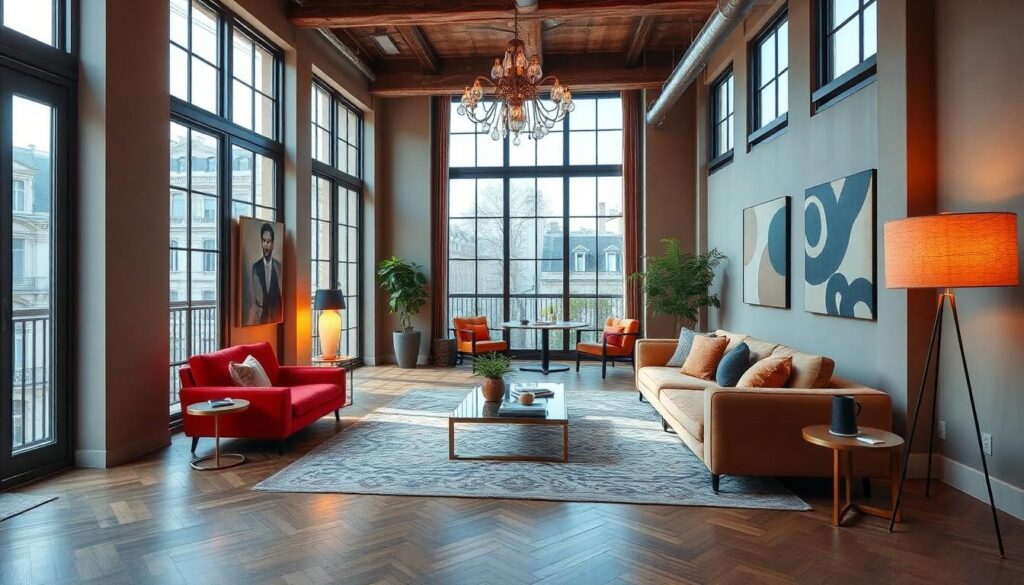
French modern interior design features sleek lines, bold colors, and a focus on functionality. Spaces often incorporate minimalist furniture and decorative elements that enhance overall aesthetics. Natural light plays a crucial role, with large windows showcasing beautiful views while illuminating interiors. Textures and materials vary, including fine woods, soft textiles, and metals. Mixing modern shapes with classic French motifs adds depth and personality to interiors. Art pieces enhance the overall ambiance, bringing a sense of culture and sophistication.
Influential Designers
Several designers significantly impacted French modern interior design. Philippe Starck is renowned for innovative pieces that blend style and practicality. Jean Nouvel challenges traditional design with bold statements and unique silhouettes. Andrée Putman introduced a timeless elegance to modern spaces, focusing on simplicity and functionality. Christian Liaigre emphasizes natural materials, creating warm and inviting atmospheres. Lastly, Patrick Jouin integrates advanced technology into his designs, pushing boundaries while retaining a sense of French flair. Each designer contributes to the evolution of the French modern aesthetic, ensuring its continued relevance in contemporary interiors.
Historical Context
French modern interior design traces its roots through a rich tapestry of history, moving from traditional elegance to contemporary expression.
Evolution from Classic to Modern
Classic French interior design set the stage with its ornate details and luxurious fabrics. Over time, principles evolved, shifting towards simplicity and minimalism. The transition gained momentum in the early 20th century, influenced by modernism. Spaces began prioritizing functionality and clarity, reflecting the changing lifestyles of urban dwellers. Designers started valuing open layouts, light colors, and practical furniture. This evolution continued, merging contemporary aesthetics with classic elements, resulting in a refined yet accessible style.
Major Movements Influencing Design
Several movements shaped French modern interior design, each leaving a lasting impact. Art Nouveau introduced flowing lines and organic forms, while Bauhaus emphasized functionality and industrial materials. The post-war era brought about mid-century modern, characterized by clean lines and integration with nature. Minimalism later emerged, advocating for less clutter and a focus on essential elements. French designers synthesized these influences, creating unique interpretations that resonate today. Their work continually inspires contemporary interiors, blending elegance with modern sensibilities.
Color Palette and Materials
French modern interior design emphasizes a harmonious blend of color and materials, enhancing sophistication in any space. Color schemes typically feature neutral tones, deep blues, and rich greens, often paired with warm earthy hues. Such palettes evoke a sense of serenity while providing a modern touch. Accent colors arise through accessories, artwork, and textiles, creating visual interest without overwhelming the space. Colors must complement the natural light flooding through large windows, ensuring every room feels inviting.
Typical Color Schemes
Popular color schemes present a balance of elegance and contemporary flair. Soft whites and grays dominate, creating a fresh canvas that appeals to modern sensibilities. Deep navy and emerald green introduce depth, often used in accent walls or furniture pieces. Warm tones like terracotta and taupe add warmth, enhancing overall comfort. Monochromatic looks using varying shades of a single color can yield a striking effect while maintaining sophistication. Layering textures and patterns in these palettes enhances visual richness, creating spaces that feel intimate yet stylish.
Commonly Used Materials
Materials utilized in French modern interior design reflect quality and craftsmanship. Natural woods such as oak and walnut feature prominently, offering warmth and durability. Metals, including brass and stainless steel, introduce a contemporary edge, often seen in light fixtures and hardware. Soft textiles, such as linen and cashmere, enhance comfort, frequently used in upholstery and drapery. Marbles and stones, like Carrara and limestone, elevate spaces, frequently serving as statement surfaces in kitchens and bathrooms. Combining these materials ensures a dynamic yet cohesive aesthetic, essential in embodying French modern elegance.
Furniture and Decor
French modern interior design showcases curated furniture and unique decorative accents that elevate both style and comfort. Elegant pieces blend function with artistic expression, creating delightful atmospheres that inspire.
Iconic Pieces and Brands
Notable brands shape this aesthetic, including Ligne Roset and Roche Bobois, known for innovative designs that push boundaries. Iconic furniture, such as the Togo sofa and the Mah Jong modular seating, exemplifies comfort with a modern twist. Each piece emphasizes smooth lines and playful forms, adding personality to spaces. Additionally, influential designers, including Philippe Starck and Jean Nouvel, contribute to the landscape with their visionary creations, making their work essential to modern French interiors.
Decorative Elements in French Modern Design
Decorative elements play a pivotal role in French modern design, infusing spaces with timeless charm. Accents such as bold artwork and minimalistic sculptures complement furniture, allowing artistic expression to shine. Layered textiles enrich the aesthetic, with plush rugs and patterned cushions enhancing comfort and visual interest. Lighting fixtures, like striking chandeliers and sleek pendant lights, showcase a commitment to elegance. Plants often accompany decor, bringing the outdoors in and creating inviting focal points that breathe life into modern interiors.
Integrating French Modern Design into Your Space
Integrating French modern design into a home enhances sophistication and comfort. Homeowners can effortlessly create inviting environments by adhering to specific tips and avoiding common mistakes.
Tips for Homeowners
Incorporate natural light by using large windows or mirrors to reflect light throughout the space. Choose a balanced color palette, mixing neutral tones with deep hues to create depth. Select functional furniture pieces that maintain a minimalist aesthetic while offering comfort. Layer with textiles like soft throws or plush cushions that evoke an inviting atmosphere. Include unique decorative accents such as artwork or sculptures that reflect personal style. Opt for high-quality materials, combining natural woods with sleek metals for visual interest. Introduce greenery through plants, enhancing life and vibrancy. Each decision contributes to a cohesive yet dynamic interior that epitomizes French modern elegance.
Mistakes to Avoid
Neglecting proportion and scale can disrupt harmony, leading to overcrowded spaces. Overlooking balance in color choices might result in a chaotic environment instead of a serene one. Skimping on quality materials undermines the overall aesthetic and longevity of the design. Cluttering surfaces with too many decorative elements can detract from the elegant feel of the space. Choosing trendy items that lack functionality may compromise practicality over time. Failure to embrace textures, such as mixing soft textiles with polished surfaces, can create a flat atmosphere. Ignoring the importance of focal points may leave a space feeling incomplete and uninviting. Each mistake detracts from the intended elegance of French modern design, so attention to detail proves essential.
French modern interior design offers a captivating blend of elegance and contemporary flair. Its unique ability to merge classic charm with modern sensibilities creates inviting spaces that resonate with sophistication. By focusing on functionality and natural light, this style enhances the overall aesthetic while ensuring comfort.
Incorporating elements like bold colors and quality materials allows homeowners to express their personal style. With thoughtful attention to detail and an understanding of balance, anyone can embrace this design philosophy. Ultimately, French modern interior design isn’t just about aesthetics; it’s about creating a lifestyle that reflects beauty and practicality in everyday living.