Table of Contents
TogglePatio furniture, pool toys, garden tools, and seasonal décor have a way of taking over your outdoor space. Without proper storage, your backyard becomes a cluttered mess that invites weather damage, pest infestations, and safety hazards. Outdoor storage bins solve this problem by keeping gear organized, protected, and out of sight. Whether you’re stashing cushions, poolside equipment, or off-season decorations, the right bin keeps everything dry, secure, and accessible year-round. This guide covers the best outdoor storage options for 2026, helping you pick the ideal solution for your space and needs.
Key Takeaways
- Outdoor storage bins protect gear from weather damage and pests while preventing costly replacements of cushions and rusted tools, making them a smart investment that pays for itself.
- Resin storage boxes are affordable, lightweight, and low-maintenance, ideal for most climates and items like cushions and pool equipment, while metal cabinets offer superior durability for heavy tools and equipment.
- Choose between resin and metal storage bins based on your climate (humid regions favor resin, coastal areas need corrosion-resistant materials), contents, available space, and aesthetic preferences.
- Proper organization with labeled containers, moisture-absorbing packets for textiles, and an inventory list maximizes the value and functionality of your outdoor storage bin year-round.
- Regular maintenance—annual cleaning for resin boxes and quarterly rust inspections for metal cabinets—keeps your outdoor storage bin in peak condition for decades of reliable protection.
Why Outdoor Storage Bins Are Essential for Homeowners
Outdoor storage bins aren’t just nice to have, they’re a practical investment in protecting your property and extending the life of your gear. Sun, rain, snow, and temperature swings degrade furniture cushions, rust metal tools, and warp wooden items left exposed. A quality bin shields these items from UV rays, moisture, and pests that cause mold, rot, and corrosion.
Beyond weather protection, bins organize your yard. Stacked chairs, scattered tools, and piled cushions create tripping hazards and make cleanup harder. A dedicated storage solution keeps pathways clear, makes seasonal transitions smoother, and actually frees up garage and patio space. Homeowners report spending less time hunting for items and more time enjoying their outdoor areas.
Cost-wise, a $150–$500 storage bin pays for itself by preventing the need to replace weather-damaged cushions ($200–$400 per set) or rusted tools. Think of it as insurance for your outdoor investment, especially if you live in regions with harsh winters or humid summers.
Types of Outdoor Storage Bins and Their Best Uses
Not all outdoor storage bins perform equally. Your choice depends on climate, items stored, available space, and aesthetic preferences. The two most common and durable options are resin boxes and metal cabinets, each with distinct strengths.
Resin Storage Boxes for Weather Protection
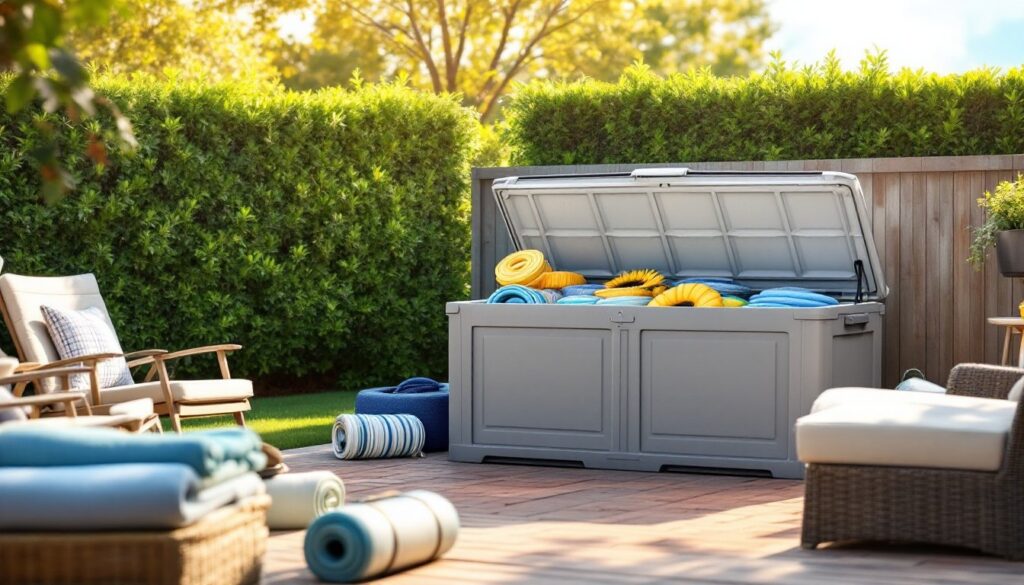
Resin (poly) storage boxes are the most popular choice for homeowners because they’re affordable, lightweight, and virtually maintenance-free. Made from polyethylene plastic, these boxes resist rot, rust, and insect damage, ideal for humid or rainy climates. A typical 100-gallon resin box weighs 20–30 pounds, making it easy to move or reposition without help.
Resin bins excel at moisture protection. The solid, seamless construction and built-in drainage (on quality models) keep water out while allowing interior condensation to escape. They’re perfect for cushions, pool covers, garden hoses, and tools. Colors range from neutral grays and blacks to cedar-tone or tan finishes that blend into landscaping. Most models include lockable lids and latches to deter pests and unauthorized access.
The trade-off: resin boxes fade slightly in intense sunlight over 5–10 years and can become brittle in freezing climates if low-quality plastic is used. Mid-range and premium resin boxes (like those from major retailers) hold up better. Look for UV-stabilized resin and a minimum wall thickness of 0.25 inches.
Metal Storage Cabinets for Durability
Metal storage cabinets, typically galvanized steel or aluminum, are the heavy-duty choice. They’re more durable than resin but heavier and require more maintenance. Galvanized steel resists rust through a zinc coating, though this coating can chip or wear, especially near edges or in salt-air environments. Aluminum cabinets don’t rust but dent more easily and cost more upfront.
Metal cabinets shine for tools, lawn equipment, and heavy items. Their rigid structure supports shelves and organized interiors better than resin boxes. A 4-foot-tall metal cabinet can hold rakes, shovels, fertilizer, and power tools in a compact footprint. They look more professional than plastic and suit modern or industrial outdoor designs.
Downsides: metal rusts if scratches expose the base material (especially in coastal or freeze-thaw zones), requires periodic inspection and touch-up paint, and installation can be fiddly. Aluminum sidesteps rust but costs 20–30% more. If you choose metal, Home Depot Storage Buildings offer a range of galvanized options suited to different budgets and climates.
How to Choose the Right Outdoor Storage Bin for Your Space
Picking the right bin comes down to five factors: climate, contents, footprint, style, and budget.
Climate & Moisture: If you’re in a wet, humid region (Pacific Northwest, Southeast, or anywhere with frequent rain), prioritize weather-sealed resin or premium galvanized steel with drain holes. Freeze-thaw cycles (harsh winters) demand durable resin or aluminum because repeated ice buildup can crack cheap plastic. Coastal areas need corrosion-resistant materials: aluminum or stainless steel cabinets are worth the premium.
What You’re Storing: Cushions and textiles? Resin works well, it breathes enough to prevent mildew if ventilation is adequate. Heavy tools and power equipment? Metal cabinets with shelves distribute weight better. Mixed items (cushions + tools + hoses)? A large resin box or a metal cabinet with internal storage solutions. Avoid storing anything flammable (propane, gasoline) in enclosed bins without ventilation.
Size & Space: Measure your patio, deck, or yard corner before shopping. A 100-gallon resin box (roughly 48″ L × 28″ W × 30″ H) fits most patios. For serious hoarders, 150–200-gallon bins exist but require more space. If footprint is tight, tall, narrow metal cabinets work better. Account for clearance around the bin for lid-opening and access.
Aesthetics: Resin boxes come in many colors and finishes: cedar-tone or wicker-textured styles blend into landscaping. Metal cabinets look more industrial: modern sloped roofs or modern finishes suit contemporary homes. Some homeowners screen bins with lattice or climbing plants. Storage Home Depot options offer both styles if you want to compare on one platform.
Budget: Resin boxes run $150–$400 depending on size and brand. Metal cabinets start around $250–$300 for basic models but climb to $500–$1,200 for quality galvanized or aluminum units with shelves. Factor in delivery and assembly time (resin is easier, metal requires more setup).
Organizing and Maintaining Your Outdoor Storage Bins
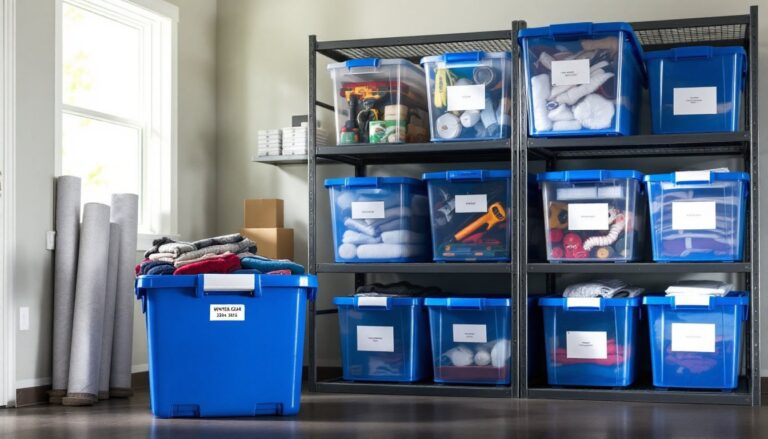
A storage bin is only as useful as how you organize it. Start by sorting items into categories: cushions, tools, seasonal décor, pool equipment. Use clear plastic bins or labeled organizers inside your bin to subdivide contents and prevent digging. Stack heavier items on the bottom (tools, equipment) and lighter items on top (seasonal wreaths, lightweight cushions). Keep an inventory list on your phone or taped inside the lid so you don’t forget what’s stored.
For cushions and textiles, air them out before storing and ensure they’re completely dry. Moisture + enclosed space = mildew. If you’re in a humid climate, add a small moisture-absorbing packet or open baking soda box inside to control humidity. Rotate items seasonally (pool covers go in fall, patio lights in early winter) so the bin serves year-round.
Maintenance is straightforward for resin boxes: hose them down once yearly and wipe dry. Check drainage holes to ensure they’re clear. Inspect for cracks or UV damage: minor cracks can be sealed with plastic epoxy from a hardware store. Resin lids can stiffen in very cold weather but soften back up when warmed.
For metal cabinets, inspect quarterly for rust, especially around hinges, handles, and base edges. Touch up any chips in paint immediately with rust-inhibiting spray paint to prevent spread. Check rubber seals on doors and replace if cracked or dried out: a $10–$20 replacement seal prevents water ingress. Hinges may need light lubrication (silicone spray works well) if they squeak. Both types benefit from being slightly elevated off the ground (use concrete blocks or a simple deck) to improve drainage and air circulation underneath.
Conclusion
Outdoor storage bins are one of the highest-ROI home improvements a DIYer can make. They protect gear, organize space, and enhance curb appeal without requiring permits or professional installation. Resin boxes suit most climates and budgets, while metal cabinets work for durability-focused homeowners. Measure your space, assess your climate and contents, and invest in the right bin, your patio will thank you. Popular resources like outdoor storage ideas provide additional inspiration if you’re still weighing options. A storage shed from Home Depot is also worth exploring if you’re ready to scale up beyond a bin. Start with one quality bin and expand as your storage needs grow.