Table of Contents
ToggleBlue storage bins have become a staple in modern home organization, and for good reason. They’re durable, visually cohesive, and far more functional than random cardboard boxes stuffed into closets. Unlike trendy organizing systems that promise miracles but deliver disappointment, blue storage bins offer a straightforward, practical solution for keeping gear, seasonal items, and household clutter under control. Whether you’re organizing a garage, basement, bedroom closet, or pantry, the right blue storage bins can transform chaos into order without requiring a renovation or a designer’s budget. This guide walks you through selecting, placing, and maintaining blue storage bins that actually work for your home.
Key Takeaways
- Blue storage bins offer a durable, practical solution for home organization across garages, basements, closets, and pantries without requiring renovation or professional help.
- The blue color hides dust better than white or clear plastic, conveys psychological calm, and allows you to color-code storage zones for quick item location.
- Select bin sizes based on contents and location: small (6–17 quarts) for closets, medium (27–38 quarts) for shelves, and large (50–75+ quarts) for basements and garages.
- Label every bin with permanent markers or adhesive labels, including dates for seasonal items, to save hours of searching and prevent family confusion.
- Stack heavier items in lower bins, place frequently accessed items on middle shelves, and keep the top tier at shoulder height for safe retrieval without ladders.
- Maintain your blue storage bins by wiping quarterly, checking seals every 6–12 months, and storing empty bins in dry, temperature-controlled areas away from UV exposure.
Why Blue Storage Bins Work Best for Modern Home Organization
Blue is far more than an aesthetic choice for home storage. It’s a practical color that hides dust and minor dirt better than white or clear plastic, so your bins stay looking fresh longer between cleanings. Psychologically, blue conveys calm and order, when you look at a wall of matching blue bins, your brain registers “organized,” which matters when you’re managing a household.
From a functional standpoint, blue storage bins come in rigid plastic construction that holds its shape under load, unlike fabric bins that sag over time. Plastic won’t absorb moisture, making it ideal for basements, garages, and laundry rooms where humidity fluctuates. And unlike wood shelving, blue bins are lightweight enough to handle without help, yet sturdy enough to stack four or five high without risk of collapse, critical when you’re maximizing vertical space.
The color also serves a sorting purpose. You can designate blue bins for seasonal storage (winter gear, holiday decorations) while using a different color for everyday items, making it faster to locate what you need without opening every container. This visual system works especially well in shared spaces like family garages where multiple people need to find things quickly.
Choosing the Right Size and Style for Your Space
Blue storage bins range from 6-quart desktop organizers to 75-quart heavy-duty containers, and picking the right size depends on what you’re storing and where. Small bins (6–17 quarts) work well for office supplies, craft materials, or kids’ toys in bedroom closets. Medium bins (27–38 quarts) fit most storage shelves and handle seasonal clothing, bedding, or garage tools without becoming too heavy to lift. Large bins (50–75+ quarts) suit basements and garages for bulk items like holiday decorations, old books, or sports equipment.
Measure your shelf space or cabinet width before buying. A standard 5-shelf wire shelving unit in a garage is typically 48 inches wide: two 27-quart bins fit side by side perfectly, leaving no wasted space. If you’re stacking bins on a closet floor, calculate your wall height minus headroom, most people can comfortably reach items on the second or third tier.
Stackable vs. Open-Top Designs
Stackable bins have recessed lids and reinforced corners designed to lock together, preventing the stack from toppling and maximizing vertical space. They work best when you need to store bins out of sight in basements or behind closet doors and won’t access them frequently. Open-top bins (also called utility bins) lack a recessed design but are faster to fill and retrieve items from, making them ideal for active storage, kids’ toys, sports gear you use weekly, or workshop supplies.
If you’re stacking more than three bins high, choose stackable models with locking features. Open-top designs are better for shelves at eye level where you need quick access. For drawers or shelving behind doors, stackable bins with fitted lids keep dust and pests out more effectively.
Practical Applications: Where to Use Blue Storage Bins Around Your Home
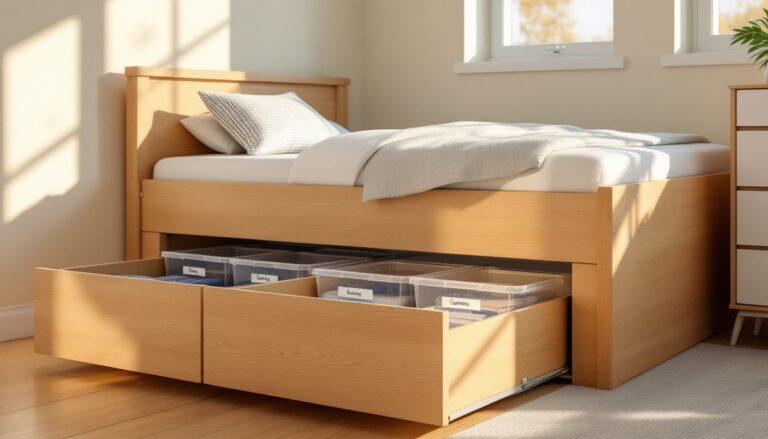
Bedrooms are a primary use case for blue storage bins. Under-bed storage bins (typically 27–38 quarts) slide smoothly on low-pile carpeting and hide seasonal clothing, extra pillows, or off-season shoes. Use clear-sided bins here so you can see contents without opening them. In walk-in closets or reaching shelves, opaque blue bins work better, they look cleaner and you can label them for sweater storage, jeans, or active-wear.
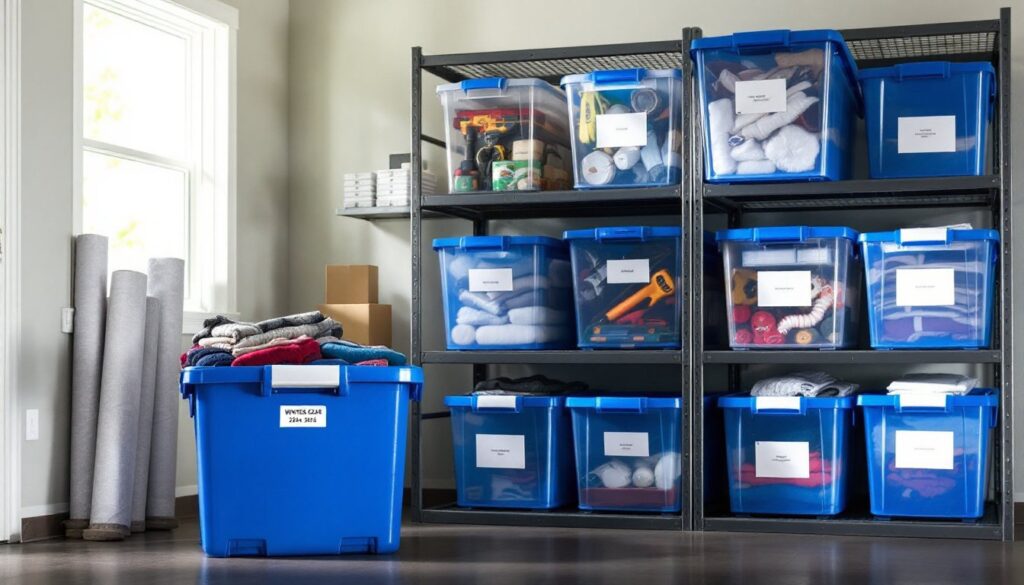
Basements and garages benefit most from larger bins. Zone your storage by category: one stack for holiday décor, another for sports equipment, a third for old paperwork or photos. Avoid stacking bins to the ceiling: keep the top tier at or below shoulder height so you can safely retrieve items without a ladder. Moisture is a real concern here, so verify your bins have ventilation holes or semi-sealed lids that don’t trap condensation.
Laundry rooms and mudrooms use blue bins to corral items before they scatter through the house. A single 27-quart bin catches gym clothes waiting for wash day: a few stacked bins near the entry hold boots, gloves, and rain gear in winter. Recent storage organization best practices show that visible bins in active zones encourage family members to put items away instead of leaving them on counters.
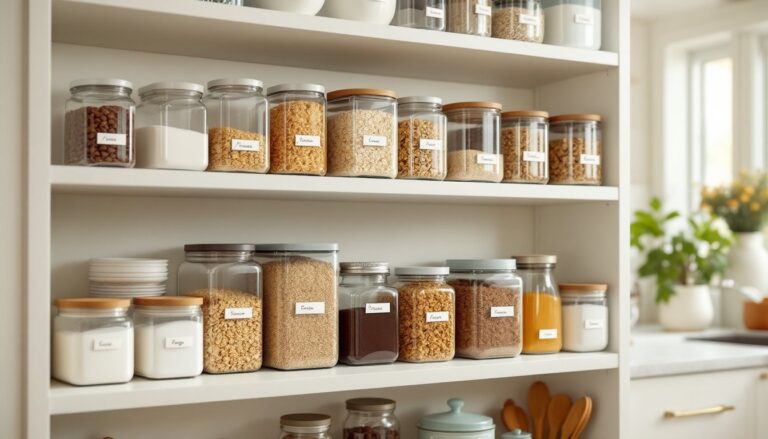
Kitchens and pantries often overlook bins, but they’re excellent for non-perishable overflow. A blue 17-quart bin keeps bulk-bought snacks contained, while several smaller ones organize baking supplies or bulk grains. The key is keeping them out of the main traffic path: stack them on a high shelf or in a corner cabinet.
DIY Organization Tips for Maximum Storage Efficiency
Before buying bins, audit what you actually own. Pull items from closets, shelves, and drawers and sort into three piles: keep, donate, and discard. Most households overestimate what they’ll use again: be honest. This step alone cuts storage needs by 20–30%, saving money and floor space. Don’t buy bins until you know exactly what volume you’re storing.
Label every bin clearly. Use a permanent marker directly on the lid or attach adhesive labels. Include dates for seasonal items, “Winter Gear 2024–2025”, so you know when to rotate stock. For pantry bins, add a “Use By” date if storing dry goods. Labels take 30 seconds but save hours of searching later.
Create a simple map or take photos of your organized storage areas. Post the photos in a shared family location (fridge, group chat) so everyone knows where things go. This prevents the common problem of new items piling up because people don’t know they have designated bins for those things.
When stacking, place heavier items in lower bins, seasonal holiday decorations on top can shift during the year and become a hazard. Lighter, frequently accessed items belong on middle shelves. Rotate stock seasonally: in spring, move winter-gear bins to upper shelves and bring spring/summer items down.
For garage storage, consider clear-sided bins on lower shelves where you regularly access tools or sports equipment. The transparency lets you spot what you need immediately without opening and rummaging. Opaque bins work fine for higher shelves holding infrequently used items. Top-rated storage bin options often feature lab-tested durability in both plastic and construction quality, so check product reviews before buying bulk quantities.
Maintenance and Care to Keep Your Bins Looking New
Blue plastic bins rarely fail catastrophically, but they do accumulate dust and can develop odors if exposed to dampness. Wipe down the exterior quarterly with a dry cloth or microfiber cloth to maintain appearance. If stored in a damp basement, open lids occasionally to air out the interior: musty smells indicate trapped moisture that can damage contents.
Check seals on stacked bins every 6–12 months. Lids can warp slightly over time, especially if stored in hot attics or garages. A warped lid still protects contents from dust, but if it no longer clicks or locks properly, consider replacing it rather than the entire bin, most manufacturers sell replacement lids cheaply.
If bins crack or develop stress fractures, retire them rather than attempting repair. A cracked 27-quart bin costs $15–25 to replace, and the crack will only spread under weight or pressure. Reuse the lid on another bin if it’s still intact. For minor discoloration, a mixture of equal parts white vinegar and water, wiped on and dried, restores brightness without harsh chemicals that degrade plastic over time.
Store empty bins in a dry, temperature-controlled area. Don’t stack dozens of bins outdoors where UV exposure fades color and weakens plastic. And always remove contents before moving bins: a 75-quart bin filled to capacity weighs 100+ pounds and presents a back-injury risk. Empty and organize the contents first, then move the bin separately.
Conclusion
Blue storage bins aren’t glamorous, but they work. They’re affordable, durable, and they solve a real problem: containing household chaos without requiring skills, permits, or professional help. Start small, buy a few bins, organize one zone, and expand from there. The investment pays dividends in time saved searching for things and mental clarity from having a place for everything. Your future self will thank you when you can actually find the winter decorations in July without dismantling an entire closet.