Table of Contents
ToggleSmall bedrooms don’t have to feel cramped or cluttered. The difference between a bedroom that feels spacious and one that feels suffocating often comes down to smart storage choices. Whether dealing with a master bedroom in a tight apartment or a guest room with minimal square footage, homeowners can transform the space by thinking vertically, choosing furniture that pulls double duty, and making strategic use of often-overlooked corners. This guide walks through nine practical storage ideas that turn constraints into opportunities, so every item has a place and the bedroom remains a calm, functional retreat.
Key Takeaways
- Storage ideas for small spaces bedrooms rely on thinking vertically with wall-mounted shelving and floating storage that maximize square footage without consuming floor space.
- Multi-functional furniture like storage beds and ottoman benches combine sleeping, sitting, and storage capabilities to replace multiple separate pieces in tight rooms.
- Under-bed rolling containers with clear labels efficiently organize off-season clothing, linens, and shoes while keeping dust and moisture at bay with proper ventilation and sealed lids.
- Closet organizers including double hanging rods, shelf dividers, and vertical folding methods can double storage capacity in standard bedroom closets.
- Door space utilized with hooks, over-door shoe racks, and hanging organizers provides accessible storage for frequently used items without consuming wall or floor area.
- Starting with one or two practical solutions and prioritizing quality over quantity creates a calm, functional bedroom that balances rest with smart organization.
Use Vertical Wall Space With Shelving And Floating Storage
When floor space is scarce, go up. Wall-mounted shelving immediately gains storage without eating into square footage, and it draws the eye upward, making the room feel taller. Floating shelves are ideal for small bedrooms because they have no visible brackets underneath, creating an airy, uncluttered look.
Measure carefully before installation. Standard floating shelves hold 20–30 pounds per shelf depending on bracket quality and wall type, so avoid overloading with heavy books or decor. For drywall, use heavy-duty anchors rated for at least 25 pounds: for studs, screw directly into the wood. Space shelves 12–18 inches apart vertically to accommodate storage boxes, books, or decorative baskets without crowding.
Consider corner shelves too, corners are wasted real estate in most bedrooms. A 24-inch corner shelf installed 60–72 inches from the floor works well for displaying plants, framed photos, or small storage bins. Wall-mounted cubbies, often 12 × 12 inches or 16 × 16 inches, offer another flexible option. Mix open and closed storage: closed cubbies or wall cabinets hide clutter, while open shelves display items and make the space feel less boxed-in.
When selecting brackets, stainless steel or heavy-gauge steel resists rust and sag over time. Avoid thin-wall plastic-anchored systems if adding anything heavier than lightweight decor or a few folded blankets.
Invest In Multi-Functional Furniture With Built-In Storage
Multi-functional furniture is the MVP of small-bedroom storage. A nightstand with drawers, a dresser with a mirror, or a desk with shelves underneath do double, or triple, duty, storing clothes and essentials while serving as functional pieces.
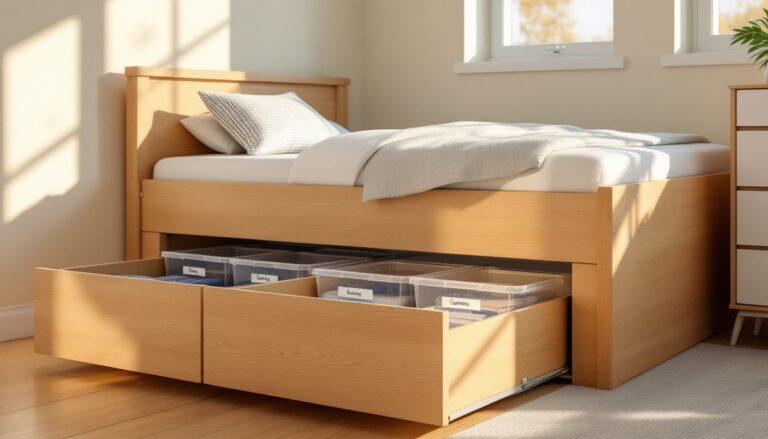
The Metropolitan Home Storage Bed: is a popular choice, combining a sleep surface with spacious drawers or shelves beneath. This approach is honest: a storage bed claims floor space but reclaims it by replacing separate storage furniture. Measure the bed and room dimensions first, a queen storage bed typically runs 60 inches wide by 80 inches long, so confirm it fits before purchase.
Storage Beds and Ottoman Benches
Storage beds come in several styles. Platform designs have drawers on both sides or across one end. Underbed designs have the sleeping surface elevated on legs, with storage cubbies or shelving below. The first takes up the same floor space as a regular bed: the latter creates dead space in many bedrooms anyway, so it’s a win.
Ottoman benches, upholstered boxes that open to reveal storage, sit at the foot of the bed or against a wall. A standard ottoman measures around 40 inches wide by 18 inches deep, holding blankets, off-season clothes, or pillows. Quality matters here: hinges should be sturdy (avoid flimsy friction dampers that collapse mid-lift), and the interior should have a divider or compartments so items don’t shift around.
Both furniture types work well with DIY Home Decorating Ideas, letting homeowners match existing décor or refinish pieces to suit the bedroom’s color scheme. A coat of paint or stain on a plain ottoman transforms it from storage box to décor accent.
Organize Under-Bed Storage With Rolling Containers
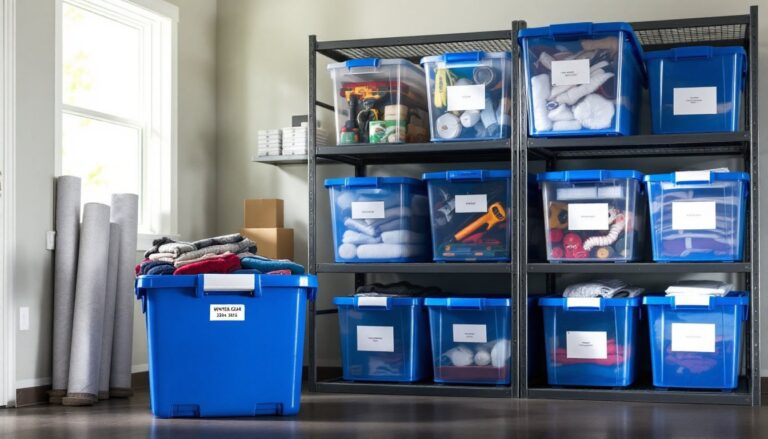
The space under a bed is prime real estate that many people ignore. Flat storage boxes or rolling plastic containers slide easily under a bed frame, keeping off-season clothes, extra linens, or shoes out of sight but accessible.
Choose containers wisely. Shallow plastic bins, around 6 inches tall, slide under most bed frames without scraping the floor. Deeper boxes work if the bed sits 10 inches or higher off the ground. Measure the gap between the floor and the bed’s underside before shopping. Wheels make retrieval effortless, especially if the bed is lightweight or has legs (not a solid platform) that allow access from below.
Label each container clearly with a permanent marker or printed label. A bedroom with three identical rolling bins underneath the bed should have each one marked: “Winter Coats,” “Extra Blankets,” “Out-of-Season Shoes.” This prevents rummaging and saves time.
Moisture and dust are real concerns under a bed. Use plastic bins with tight-sealing lids, and consider adding silica gel packets or activated charcoal to absorb moisture, especially in humid climates. Never store anything damp or moist, mold and mildew thrive in dark, enclosed spaces. Vacuum under the bed every few months to keep dust buildup minimal, and don’t cram containers so tightly that air can’t circulate.
Install Closet Organizers And Shelf Dividers
A well-organized closet is a small bedroom’s secret weapon. Most bedroom closets come with a single rod and one shelf, not enough for real organization. Adding shelves, dividers, or a closet system transforms the space into a highly efficient storage zone.
Closet organizer kits come pre-made (easy to assemble) or custom-installed. Pre-made options from retailers include double hanging rods that split a standard closet into two shorter-hanging sections, doubling storage immediately. A typical closet is 24–36 inches wide: a 6-foot rod typically holds about 12–15 hangers comfortably. Install a second rod below it, about 42 inches from the floor, and suddenly you’ve doubled hanger capacity.
Shelf dividers keep stacked items (sweaters, jeans, t-shirts) from toppling. Wooden dividers or acrylic bars cost $10–30 for a pair and install in seconds. Stack folded clothes vertically (the KonMari method) rather than horizontally, you see everything at a glance and reach items without disturbing the stack.
Closet corner shelves add storage where corners would otherwise sit empty. Storage Home Depot solutions and similar retailers stock modular closet systems that adapt to various closet sizes. Wire shelving is affordable and adjustable: laminate or wood shelving looks more polished but costs more. Install shelves using a level, and space them 12–15 inches apart to accommodate stacked clothing without crushing items underneath.
Use closet rods for more than hangers. Hooks, clips, and hanging organizers add vertical storage without consuming shelf or rod space. A hanging shoe organizer (over-the-door or hanging inside the closet) stores 12–24 pairs in minimal space.
Use Door Space For Hooks, Racks, And Over-Door Storage
Doors are vertical real estate most people forget. The back of a bedroom door can hold hooks, a shoe rack, a mirror with shelves, or an over-the-door organizer, none of which consume floor space or wall area that might feel cramped.
Over-the-door shoe racks hang on the door and typically hold 8–12 pairs of shoes in fabric pockets or metal frames. They work on both entry and closet doors. Weight limit is usually 20–30 pounds, so don’t overload with boots. Make sure the door opens freely without catching on the rack.
Hooks are the simplest solution. Adhesive hooks (rated for 2–5 pounds each) don’t require tools and won’t damage paint if removed carefully. Mounted hooks (screwed into the door or frame) handle heavier loads, coats, belts, scarves, or a hanging jewelry organizer. Spread hooks 6–12 inches apart vertically to prevent crowding.
For rentals or temporary setups, adhesive hooks and over-the-door organizers are ideal because they leave no permanent marks. Homeowners comfortable with a screw or two can install heavier-duty systems. Over-door mirrors with built-in shelves combine function (getting dressed) with storage, and they reflect light, making the room feel larger.
According to Real Simple home organization tips, maximizing door space is one of the quickest wins in cramped bedrooms. A single bedroom door’s interior and exterior surfaces can accommodate 15–20 pounds of storage with thoughtful placement, keeping frequently used items, shoes, scarves, bags, within arm’s reach without cluttering shelves or drawers.
Conclusion
Small bedroom storage doesn’t require expensive renovations or professional help. Vertical shelving, dual-purpose furniture, rolling containers, closet systems, and door-mounted organizers work together to reclaim wasted space and create functional, calm bedrooms. Start with one or two ideas, floating shelves and a storage bed, for example, and build from there. Measure twice, choose quality over quantity, and remember that the goal is a bedroom that feels restful, not a storage unit with a bed.