Table of Contents
ToggleA twin trundle bed with storage is one of the smartest investments for any home running short on square footage. Unlike a standard bed, this hybrid piece combines a primary sleeping surface with a hidden pullout trundle underneath, plus built-in drawers or shelving to stash bedding, seasonal items, or everyday clutter. Whether you’re furnishing a kid’s room, a guest bedroom, or a studio apartment, a twin trundle bed with storage delivers sleeping capacity and organization in a single footprint. It’s the kind of project or purchase that makes homeowners feel clever, and for good reason: you’re buying once and solving multiple problems at once.
Key Takeaways
- A twin trundle bed with storage combines a primary sleeping surface with a hidden pullout trundle and built-in drawers, solving space and organization challenges in one purchase.
- Twin trundle beds with storage are cost-effective, ranging from $300–$1,200 depending on material, and consolidate three furniture pieces (bed, nightstand, dresser) into one footprint.
- Modern and traditional design options allow twin trundle beds to match any décor, from minimalist Scandinavian aesthetics to coastal farmhouse styles.
- Prioritize smooth ball-bearing drawer slides and lockable casters rated for at least 100 pounds per wheel to ensure durability and ease of use over 5–15 years.
- Standard twin mattresses measure 38 inches wide by 75 inches long, but verify that trundle mattresses fit within 6–8 inches in height to slide smoothly under the frame.
- Solid wood frames last 10–15 years with proper care, while engineered wood lasts 5–8 years; maintenance involves monthly vacuuming, immediate spill cleanup, and replacing worn slides for $20–$50.
What Is a Twin Trundle Bed With Storage?
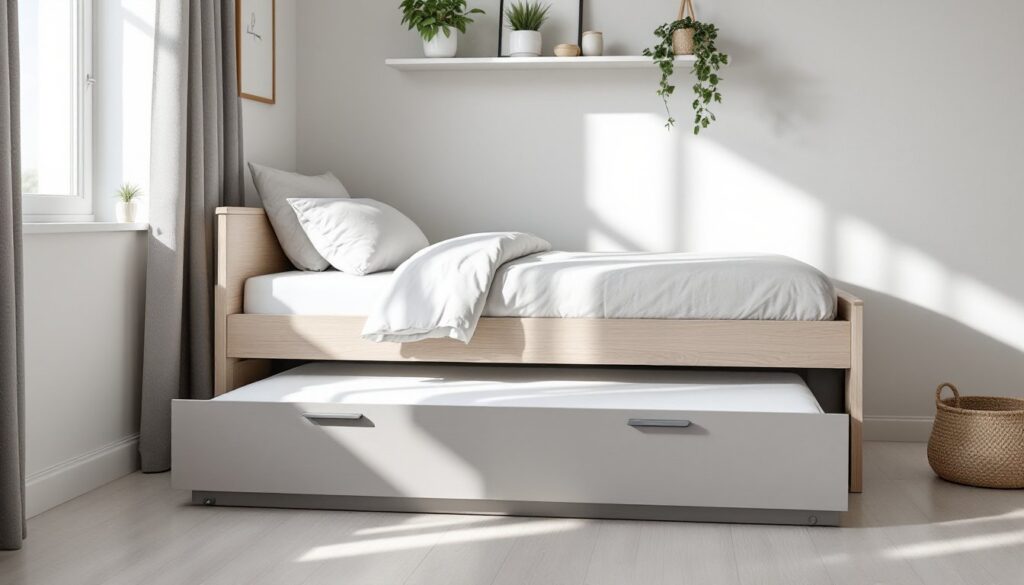
A twin trundle bed with storage is a two-in-one sleeping platform designed to maximize square footage. The primary frame sits at standard bed height (usually 24–28 inches off the floor) and sleeps one person. Beneath it, a secondary trundle mattress slides out on wheels or glides, creating an instant second sleeping spot when guests arrive or when two kids share a room.
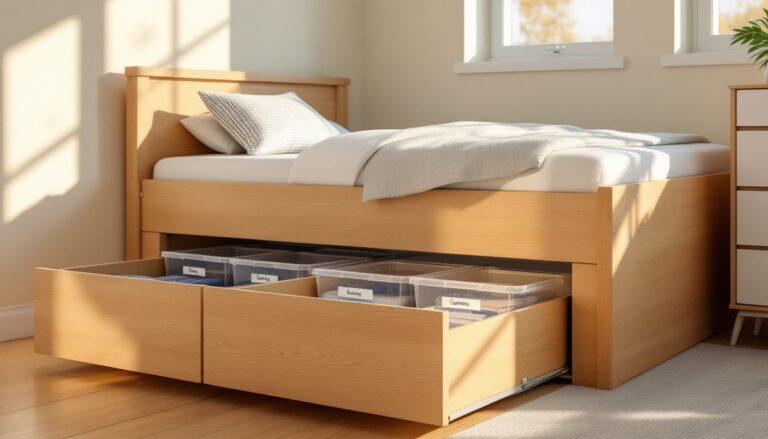
The storage component sets these beds apart from basic trundles. Instead of empty space under the frame, you get integrated drawers, shelving, or cubbies. These compartments hold everything from linens and pillows to toys, books, or off-season clothing. Twin mattresses measure 38 inches wide by 75 inches long, so both the main bed and trundle use the same standard size, this matters when you’re shopping for bedding or replacements.
Material options range from solid wood (oak, pine, or maple) to engineered wood (particleboard or MDF with veneer) and metal frames. Solid wood tends to be heavier and more durable but costs more. Engineered wood is budget-friendly and lighter, but won’t hold up as long under daily use. The trundle mechanism typically runs on ball-bearing drawer slides or casters, both of which should glide smoothly under a 75–100-pound load (standard for a kid or lightweight adult plus mattress).
Key Benefits for Your Home
Space efficiency is the headline benefit. A traditional twin bed claims roughly 38 square feet of floor space (accounting for the footprint). Add a separate trundle and you’ve got two beds taking up that same footprint, a game-changer for kids’ rooms, guest rooms, or studio apartments.
Storage underneath means you don’t need a separate dresser or closet system eating up floor area. Those drawers or shelves handle off-season bedding, winter coats, holiday decorations, or school supplies. For families tight on closet space, this function is worth its weight in gold.
Sleeping flexibility is another win. One kid? The trundle stays tucked away and the room feels spacious. Sleepovers or a visiting grandparent? Pull out the trundle in seconds, no air mattress to inflate or fold-up guest bed to wrestle into a closet. The ease of deployment makes hosting friends low-stress.
Cost-per-function is smart economics. A quality twin trundle with storage runs $400–$800 for solid wood, $300–$500 for engineered wood. A separate twin bed plus nightstand plus dresser plus storage bench quickly exceeds that total. You’re consolidating three furniture pieces into one.
Finally, durability and portability depend on the build. Solid-wood frames last 10–15 years or longer with reasonable care. Engineered wood models, 5–8 years. Casters and drawer slides wear out first, replacements cost $20–$100 per set and are usually available as aftermarket parts.
Style and Design Options to Match Your Decor
Twin trundle beds come in dozens of styles, so matching your existing decor doesn’t mean settling for institutional-looking metal or boring oak.
Modern and Minimalist Designs
Clean lines, neutral tones, and simple hardware define modern trundle beds. Look for frames in gray, white, or natural wood with minimal ornamentation. Drawer fronts typically sit flush (no protruding handles), and legs are either tapered or hidden by a platform base. Metal accents, brushed nickel handles or black steel legs, add contemporary flair without clutter. These designs work beautifully in studios, guest rooms, or kids’ spaces leaning toward Scandinavian or industrial aesthetics. Storage under a modern frame feels intentional and design-forward, not cramped.
A popular take is the low-profile frame (20–22 inches tall), which makes rooms feel airier and is easier for younger kids to access. Pair it with light bedding and a few floating shelves, and the room stays visually open even though the storage underneath.
Traditional and Coastal Styles
If your home leans cottage, farmhouse, or seaside, trundle beds with turned legs, beadboard paneling, or distressed finishes fit right in. Washed white, soft gray, or warm honey wood tones complement coastal palettes. Look for details like tongue-and-groove drawer fronts, shaker-style hardware, or a low footboard with decorative slats.
Traditional designs often sacrifice a bit of under-bed depth to create that furniture-quality appearance, so check storage dimensions before buying. A 12-inch clearance is tight: 14–16 inches gives you real drawer depth. Metropolitan Home Storage Bed: is another option if you want to explore themed storage solutions that blend aesthetics with function.
Both aesthetic camps, modern and traditional, are widely available in ready-to-assemble (RTA) and finished forms. RTA typically costs 30–40% less but demands a day or two of assembly time and a basic tool kit (screwdriver, mallet, possibly a power drill).
How to Choose the Right Twin Trundle Bed With Storage
Start with room dimensions. Measure the wall where the bed will sit and the clearance needed to open drawers fully. A standard twin frame is 38 inches wide by 75 inches long, but add 2 inches for side rails and another 18–24 inches if you want drawer space in front, total footprint could be 38 inches wide by 99 inches long with full access.
Next, evaluate intended use. Kids’ rooms often benefit from lower profiles (easier to climb in/out) and rugged materials that handle roughhousing. Guest rooms or studios might prioritize style and can tolerate higher frames if it means more under-bed storage. If the trundle gets pulled out daily, prioritize smooth casters and ball-bearing slides: if it’s occasional, standard cheap slides are acceptable.
Material durability matters if you have pets or rough-and-tumble kids. Solid wood or hardwood plywood stands up better than particleboard to spills and impacts. Paint or stain finish should be non-toxic (look for low-VOC or kid-safe certifications if buying for a child’s room).
Mattress compatibility is critical. Both the top bed and trundle use standard twin mattresses, but the trundle may need a thinner profile (6–8 inches total height) to fit under the frame with clearance for pulling it out. Check the manufacturer’s specs, it’ll say something like “fits mattress up to 8 inches thick.” Thicker, premium mattresses won’t fit.
Inspect drawer and caster quality. Ball-bearing slides handle weight smoothly: budget models use plastic or felt-lined slides that bind or squeak within months. Casters should be lockable (so the trundle doesn’t roll when you don’t want it to) and rated for at least 100 pounds per wheel. Four casters sharing 200–300 pounds of load means each handles 50–75 pounds comfortably.
Budget realistically. A solid-wood trundle with real drawers and metal hardware runs $600–$1,200. Engineered wood with the same features, $350–$600. Particle-board budget models, under $300, but expect drawer wear within 2–3 years. If you’re handy and enjoy projects, resources like Ana White offer free furniture plans, or Fix This Build That provides detailed woodworking tutorials if you’d rather build custom.
Setting Up and Maintaining Your Trundle Bed
Assembly for RTA models usually takes 2–4 hours, depending on complexity. You’ll need a Phillips-head screwdriver, a rubber mallet (for joints), and possibly a cordless drill if fastening pre-drilled holes. Don’t skip the step where you place shims under legs or use a level, uneven floors cause drawers to stick and the bed to rock.
Once assembled, acclimate the wood for 24 hours in the room where it’ll live, especially if you’re moving it from a warehouse with different humidity. Wood expands and contracts: a sudden change can warp joints or make drawers bind.
Testing the trundle mechanism before loading it is smart. Pull and push the trundle fully open and closed a few times. Drawers should move smoothly. If they bind or squeak, check for debris under the slides or misalignment, gently tap guides back into square if needed.
Maintenance is straightforward. Dust with a dry cloth every couple of weeks and vacuum under the bed monthly to prevent buildup (which ruins casters and slide action). Wipe spills immediately to avoid staining or swelling particleboard. For solid wood, use a wood-appropriate cleaner once or twice a year.
Drawer slides wear out eventually. If a drawer starts dragging after a couple of years, replacement slides cost $20–$50 per pair and install in 15 minutes with a screwdriver. Casters fail less often but can be swapped in 5 minutes each if needed. Keep your receipt and manual so you can order exact replacements years later.
If you’re building your own, The Handyman’s Daughter offers beginner-friendly video tutorials on furniture construction and finishing, useful if you want to reinforce joints or upgrade hardware for longevity.