Table of Contents
ToggleA king size bed is already a statement piece, it dominates the bedroom and promises comfort. But a king size storage bed frame takes that investment further by turning all that square footage into functional storage. Whether you’re dealing with a compact master bedroom, growing kids needing room for toys, or simply tired of nightstands cluttering your floor plan, a storage bed tackles both comfort and clutter in one smart move. This guide walks you through the types available, features that matter, and how to set yours up right.
Key Takeaways
- A king size storage bed frame provides 20+ cubic feet of usable storage space while solving bedroom clutter without requiring additional furniture like dressers or nightstands.
- Choose between under-bed drawers (ideal for frequent access to smaller items) and lift-up storage (better for bulk, occasional storage) based on what you’ll actually store and your ceiling height.
- Quality construction matters significantly—opt for solid wood with mortise-and-tenon or dovetail joints, full-extension ball-bearing drawer slides, and solid plywood supports to ensure durability and prevent sagging or squeaking.
- A well-maintained king size storage bed frame requires monthly vacuuming, periodic fastener checks every 6-12 months, and proper weight distribution across drawers to maximize lifespan and functionality.
- Headboard and footboard storage options integrate shelving directly into the frame, creating a cohesive design for contemporary or Scandinavian-style bedrooms but require long-term style commitment.
Why Choose a King Size Storage Bed Frame
Storage beds aren’t just trendy, they solve real problems. A standard king frame is 76 inches wide by 80 inches long. Add drawers or lift-up storage beneath, and you’ve got 20+ cubic feet of usable space for off-season bedding, pillows, seasonal clothing, or items you don’t need daily access to.
The math is simple: you already own the footprint. Why not use the vertical real estate underneath? In bedrooms where closet space is tight or non-existent, a storage bed becomes essential furniture rather than an upgrade. It also reduces the need for bulky dressers or additional nightstands, keeping the room feeling open and intentional.
From a construction perspective, storage beds require more robust joinery and heavier-duty materials than standard frames. The base must support the bed’s weight plus whatever you store, meaning quality matters. A poorly made storage bed will sag, squeak, or worst-case, collapse, so this isn’t an area to cheap out.
Types of King Size Storage Bed Frames
Under-Bed Drawers and Lift-Up Storage
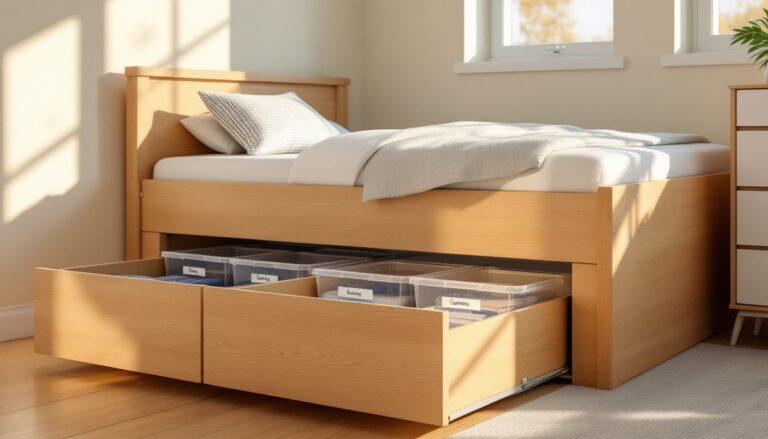
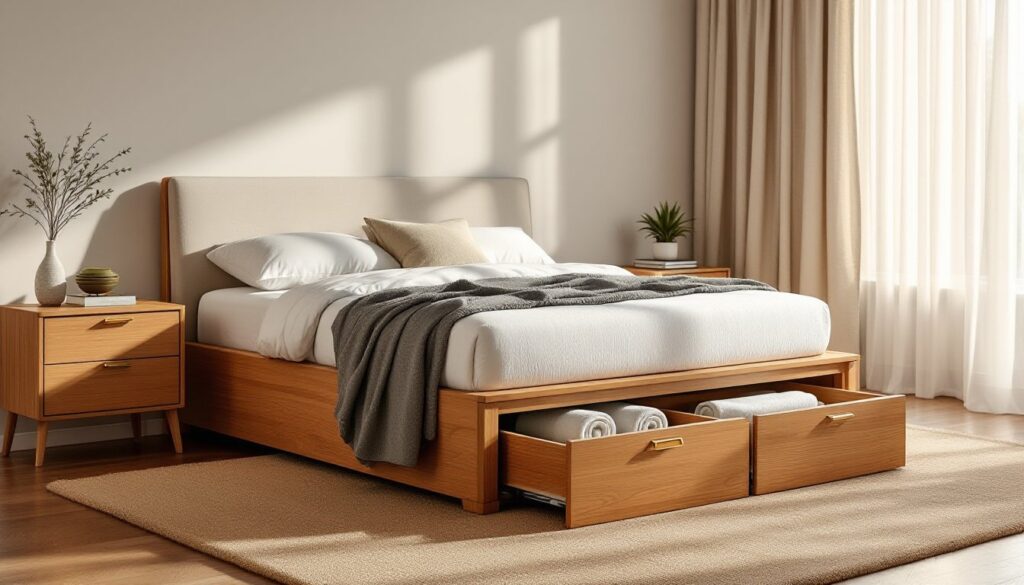
Under-bed drawers are the most practical option for frequent access. Drawers typically come in pairs or quads and roll out on metal slides, making them easy to open even when the bed is made. A quality roller system uses ball-bearing slides, which handle repeated use without binding.
Lift-up storage (sometimes called a hydraulic or platform bed) features a mattress deck that rises on hydraulic struts or pneumatic cylinders, exposing one large storage cavity beneath. This style works well if you’re storing bulkier items like suitcases or seasonal décor boxes. The trade-off: you need clearance above the bed to raise the mattress fully, so this won’t work under low ceilings.
Drawers suit smaller, regularly accessed items: lift-up beds suit occasional, bulk storage. Pick based on what you’ll actually store.
Headboard and Footboard Storage Solutions
Headboard and footboard storage integrates shelving, cubbies, or cabinets directly into the bed frame itself. These work especially well in contemporary or Scandinavian-style bedrooms where every piece earns its place.
Headboard storage sits behind you when you’re lying down, great for books, lamps, or décor. Footboard storage (usually a low cabinet at the foot of the bed) holds blankets, pillows, or throw items without taking up floor space. Some beds combine both: drawers underneath, shelves in the headboard.
The downside is aesthetic commitment. A headboard with storage becomes a focal point: you can’t just swap it out if your style changes. Build or buy with long-term taste in mind.
Key Features to Look For
Build Quality and Materials
Look for solid wood (oak, birch, or hardwood plywood) rather than particleboard or MDF for the structural frame. Check that joinery uses mortise-and-tenon or dovetail joints, these distribute stress better than pocket screws alone. Pocket screws are fine for reinforcement, but shouldn’t be the primary joinery on a storage bed.
The mattress support should be solid plywood or hardwood slats spaced no more than 3 inches apart. Metal or plastic slat supports work, but wood lasts longer under repeated weight.
Drawer and Hardware Specifications
If your bed includes drawers, inspect the slide mechanism. Full-extension ball-bearing slides allow drawers to open fully without tipping. Cheap slides bind, squeak, and fail within a year. Budget quality beds often cheap out here, it’s worth upgrading if building custom.
Drawer bottoms should be solid plywood or hardwood, not thin veneer that will sag under weight. Expect to store 50-75 pounds per large drawer safely.
Weight Capacity and Safety
A quality king storage bed should handle 500-600 pounds safely (you, your partner, and the mattress). The frame rating accounts for this. Check the manufacturer’s specs or, if building, consult load calculations based on joist spacing and wood grade.
For lift-up beds, hydraulic cylinders wear out, expect replacement every 5-10 years with regular use. This is factored into cost of ownership.
Style and Finish
Finish matters functionally, not just aesthetically. Solid stain or paint protects wood from spills and dust. Unfinished plywood frames will splinter and absorb moisture. If staining, choose a finish rated for furniture (polyurethane, conversion varnish, or water-based poly).
Consider how the bed’s height affects your space. A 24-inch platform bed leaves less under-bed clearance than an 18-inch frame, but taller frames are easier to get in and out of, especially important as you age.
Installation and Maintenance Tips
Assembly and Leveling
Assemble the frame on a clean, flat floor, not carpeted. Use a carpenter’s level to check the bed in both directions before tightening all fasteners. Even slight rocking stresses joints and will eventually cause squeaking or sagging.
If building from plans (sources like Ana White’s classic storage bed provide detailed instructions), dry-fit all joints first. Pre-drill screw holes to avoid splitting wood. For structural joints under load, use construction adhesive plus fasteners, adhesive adds rigidity and reduces reliance on screws alone.
If your bedroom floor is slightly out of level (common in older homes), shim the bed feet with hardwood shims until level. This prevents stress on joinery.
Regular Maintenance
Vacuum under the bed monthly, dust builds up fast and can harbor dust mites. Wipe down drawer slides with a slightly damp cloth and let dry. Never use furniture polish on slider tracks: it gums them up.
Check fasteners every 6-12 months. A bed that gets regular use will loosen screws and bolts over time. A quarter-turn with a wrench takes seconds and prevents bigger problems.
For lift-up beds, test the hydraulic cylinders occasionally to ensure they’re holding smoothly. If a cylinder begins leaking or losing pressure, replace both (they work in pairs and should fail around the same time).
Prevent Squeaks
Most squeaks come from wood-on-wood friction or loose fasteners. If squeaking starts, check and tighten all bolts first. If fasteners are tight, add rubber or felt shims between wood joints to dampen vibration.
Modern platform alternatives like IKEA’s storage bed options or customizable designs from Fix This Build That can be upgraded with better hardware to reduce noise. If squeaking persists, you’re usually dealing with a joinery or material quality issue that won’t fully resolve, a sign the frame may need replacement soon.
Storage Best Practices
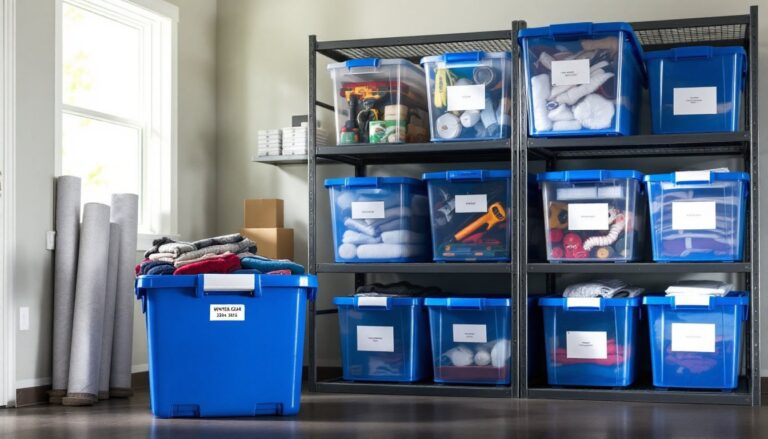
Don’t overload drawers beyond their rated capacity. Heavy items like textbooks or tools belong in lower drawers: lighter items (linens, seasonal décor) work fine in upper drawers. Use storage bins or dividers to keep contents organized and prevent shifting, which causes squeaking.
For under-bed storage in humid climates, use breathable storage containers and silica gel packs to prevent mildew. Sealed plastic bins can trap moisture against fabrics.
Consider the weight distribution. A lopsided load (all heavy items in one drawer) stresses that slide and the frame unevenly. Distribute weight across multiple drawers or storage sections.
Conclusion
A king size storage bed frame is a practical investment that pays dividends every day. By combining a comfortable sleeping surface with functional storage, you’re solving two problems at once, clutter and space. The key is choosing quality construction, understanding what storage type fits your lifestyle, and committing to basic maintenance. Whether you build from scratch using solid lumber and proven joinery or invest in a quality manufactured frame, a well-made storage bed will serve you reliably for years and keep your bedroom organized and intentional.